






 Home
Home Products
29+ years in pharmaceutical machinery, covering capsule filling, tablet pressing, blister packaging, tablet and capsule counting, cartoning, GMP production, and overseas machine service.
Categories
New Blog
Tags
Counting machine plays a critical role in pharmaceutical manufacturing, ensuring precise counting and packaging of tablets, capsules, or other solid dosage forms. However, one frequently asked question is whether a dust collector is necessary for optimal operation.
Dust generated during production can affect the accuracy and efficiency of counting machines, potentially compromising product quality and regulatory compliance. This article will explore the relationship between counting machines and dust collection systems, offering practical solutions to maximize your equipment's efficiency.
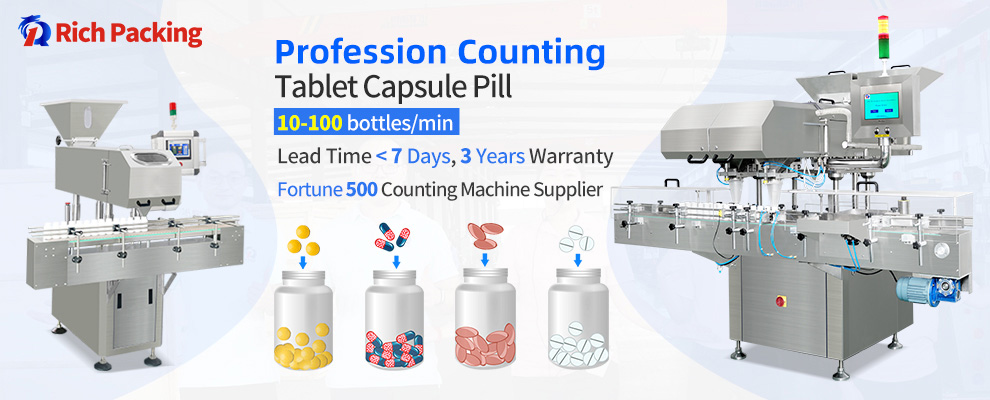
Counting machines are essential for the accurate and efficient handling of solid dosage forms. By automating the counting process, these machines reduce labor costs, minimize human error, and ensure compliance with strict pharmaceutical standards.
· Precision Counting: Accurate product counts ensure proper dosage and packaging.
· High Speed: Meets the demands of large-scale production.
· Versatility: Handles various product sizes and shapes, from tablets to capsules.
While counting machines are designed for high efficiency, the presence of dust can impede their performance, leading to miscounts, blockages, and equipment wear.
Dust is an inevitable byproduct of pharmaceutical production, especially when dealing with tablets, capsules, or powders.
· Tablet Coating and Polishing: Residue from these processes often generates fine particles.
· Product Abrasion: Tablets and capsules rubbing against machinery can create dust.
· Granulation: Loose powder particles can escape during processing.
Dust accumulation can create challenges for counting machines, including reduced accuracy and increased maintenance needs.

Dust can obscure optical sensors or block mechanical components, leading to miscounts or faulty operations.
Dust particles can accumulate within the machinery, causing friction, blockages, or damage to sensitive components.
Excessive dust may settle on products, compromising quality and potentially leading to regulatory violations.
Cleaning and repairing dust-affected machines require additional downtime, reducing overall productivity.
A dust collector serves as an essential accessory to enhance the performance and longevity of a counting machine.
· Improved Accuracy: Keeps sensors and components clean, ensuring consistent counting.
· Enhanced Equipment Lifespan: Reduces wear and tear by preventing dust buildup.
· Compliance Assurance: Maintains a clean production environment that meets regulatory standards.
· Reduced Maintenance: Minimizes the need for frequent cleaning and repairs.
Choosing the right dust collector for your counting machine depends on the volume of dust generated and the machine's specific requirements.
These systems serve multiple machines and production lines, offering robust dust collection for large-scale operations.
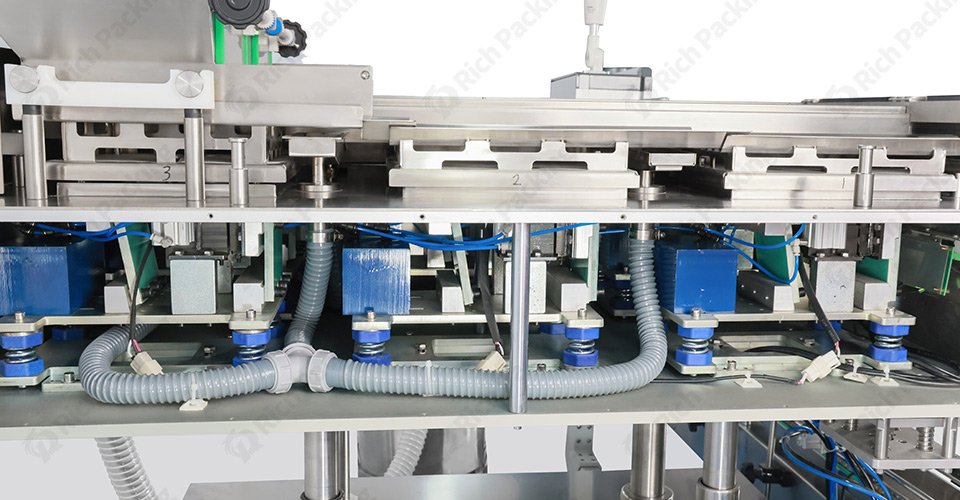
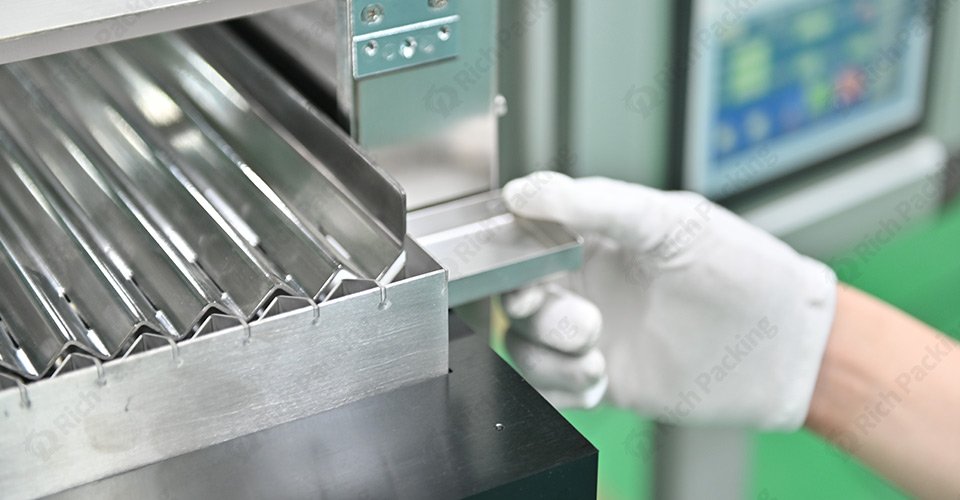
Compact units designed for individual counting machines, these systems are ideal for smaller setups or targeted dust removal.
|
System Type |
Best For |
Advantages |
|
Centralized Systems |
Large-scale production lines |
Covers multiple machines, high capacity |
|
Localized Dust Collectors |
Individual counting machines |
Compact, cost-effective, easy to install |
Evaluate the amount and type of dust generated by your production processes to determine the appropriate dust collector capacity.
Ensure the dust collector is compatible with your counting machine's design and operational needs.
Work with a professional to install the dust collector, ensuring it effectively captures dust without disrupting machine performance.
Clean and maintain the dust collector to ensure it operates efficiently over time.
While not all counting machines require a dust collector, it is highly recommended for operations involving:
· High Dust Generation: Processes like tablet coating or polishing.
· Stringent Quality Requirements: Products requiring a contamination-free environment.
· Extended Operational Hours: Machines running continuously are more susceptible to dust-related issues.
For pharmaceutical manufacturers looking to enhance precision and efficiency, the Tablet Capsule Counting Machine by Rich Packing is an excellent solution.
· Integrated Dust Control: Built-in dust management ensures optimal performance.
· Versatile Applications: Handles tablets, capsules, and soft gels of various sizes.
· User-Friendly Design: Intuitive controls simplify operation and adjustments.
|
Feature |
Benefit |
|
High-Speed Counting |
Meets high-volume production demands |
|
Integrated Dust Control |
Reduces downtime and maintenance |
|
Versatile Applications |
Suitable for diverse product ranges |
|
User-Friendly Design |
Simplifies operation and monitoring |
Ensure both the machine and the dust collector are cleaned frequently to prevent buildup.
Track key metrics like counting accuracy and suction power to detect issues early.
Dust collector filters should be replaced as per the manufacturer’s recommendations to maintain efficiency.
Installing a dust collector for your counting machine significantly improves accuracy, reduces downtime, and ensures product quality. Whether you’re handling tablets, capsules, or soft gels, a dust collector is an invaluable addition to your pharmaceutical production line. Have more questions or need personalized advice? Contact us today for tailored solutions!

29+ years in pharmaceutical machinery, covering capsule filling, tablet pressing, blister packaging, tablet and capsule counting, cartoning, GMP production, and overseas machine service.

Email : manager@richpacking.cn
Building D, No. 226, Beishan Qiaotou Street, Haizhu District, Guangzhou City, Guangdong Province, China


 IPv6 network supported