






 Home
Home Products
29+ years in pharmaceutical machinery, covering capsule filling, tablet pressing, blister packaging, tablet and capsule counting, cartoning, GMP production, and overseas machine service.
Categories
New Blog
Tags
Discover the comprehensive guide to blister packing machine forming methods. Learn about thermoforming processes, cold forming techniques, and how to optimize your pharmaceutical packaging operations.
Are you struggling to understand the complexities of blister packing machine forming methods? The forming process is crucial for producing high-quality pharmaceutical packaging, yet many manufacturers face challenges in optimizing their blister packing operations for maximum efficiency and product protection.
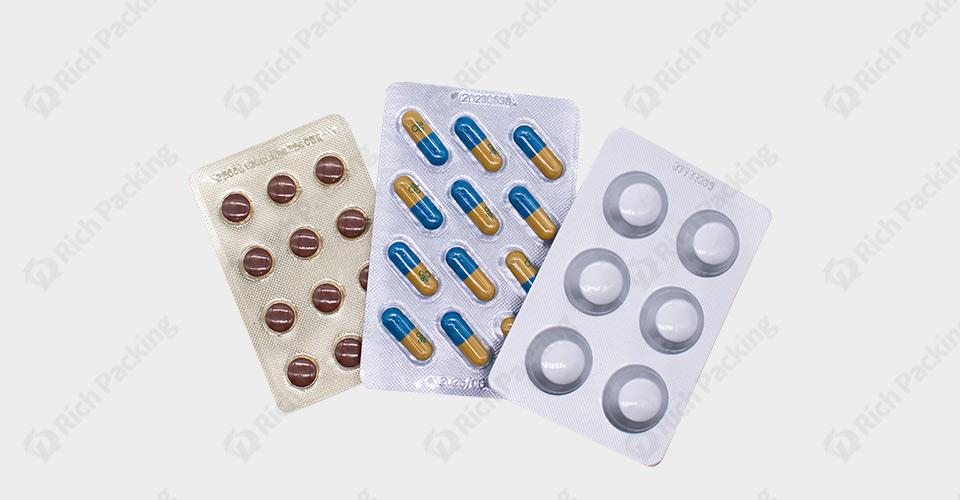
Blister packing is a packaging method that seals products in individual cavities made of plastic or aluminum, often used for tablets, capsules, and other pharmaceutical products. The process involves forming a cavity, filling it with the product, and sealing it with a backing material.
· Precise Portioning: Each cavity holds a single dose of the product.
· Protection: Shields products from moisture, light, and contamination.
· Ease of Use: Designed for convenient access by end-users.
Blister packing is ideal for ensuring the safety, quality, and usability of pharmaceutical products.
Thermoforming stands as the most widely used method in blister packing operations. This process involves heating plastic materials to a precise temperature before shaping them into the desired cavity formation. The technology has evolved significantly, offering improved precision and efficiency in modern pharmaceutical packaging operations.
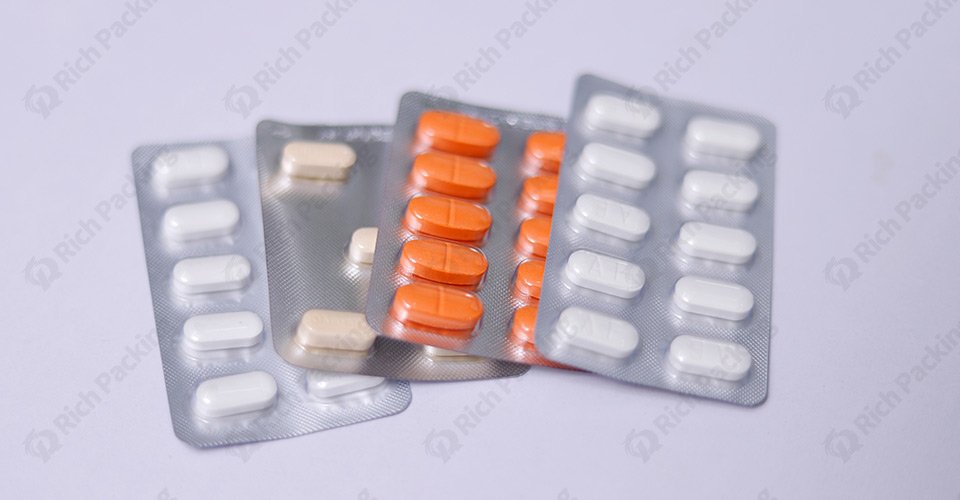
The thermoforming process begins with carefully selected plastic materials, typically PVC, PET, or PVDC. These materials undergo a controlled heating process where temperatures must be precisely maintained to achieve optimal forming conditions. The heating phase requires careful monitoring to prevent material degradation while ensuring sufficient plasticity for forming.
During the forming stage, the heated plastic material undergoes a transformation through one of several methods:
- Mechanical forming with plug-assisted technology
- Vacuum forming for enhanced detail and definition
- Pressure forming for complex cavity designs
- Combined pressure-vacuum forming for optimal results
· Transparency: Allows for easy product visibility.
· Flexibility: Suitable for various product shapes and sizes.
· Efficiency: Faster production speeds compared to cold forming.
Cold forming presents an alternative approach, particularly suitable for moisture-sensitive products. This method utilizes aluminum foil or similar materials that can be shaped without heating, offering superior barrier properties against moisture and oxygen penetration.
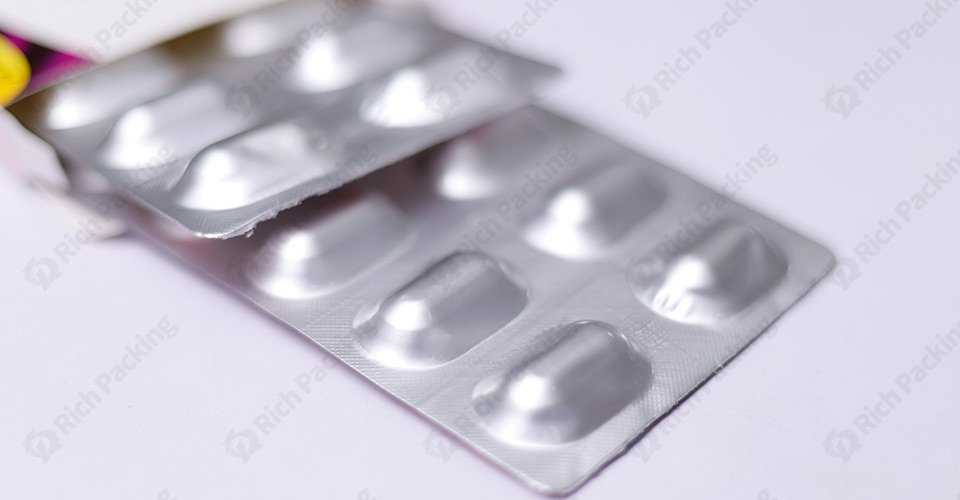
· Enhanced Protection: Offers superior moisture and light resistance.
· Durability: Provides better protection for sensitive products.
Blister packing is the go-to solution for packaging solid oral dosage forms. Each cavity ensures precise dosing and maintains the product's efficacy.
For clinical trials or single-use medications, blister packs simplify dosing and reduce waste.
Cold-formed blister packs provide enhanced protection for products sensitive to moisture and light, such as effervescent tablets.
|
Application |
Method |
Key Benefit |
|
Tablets and Capsules |
Thermoforming |
Cost-effective and visually appealing |
|
Sensitive Medications |
Cold Forming |
Superior barrier properties |
Blister packs create a hermetic seal, safeguarding products from environmental factors that could degrade their quality.
The pre-measured cavities reduce the risk of over- or under-dosing, ensuring consistent and safe use.
Blister packs are lightweight, easy to carry, and designed for straightforward access, enhancing the end-user experience.
Blister packing helps manufacturers meet stringent industry standards, ensuring product safety and quality control.
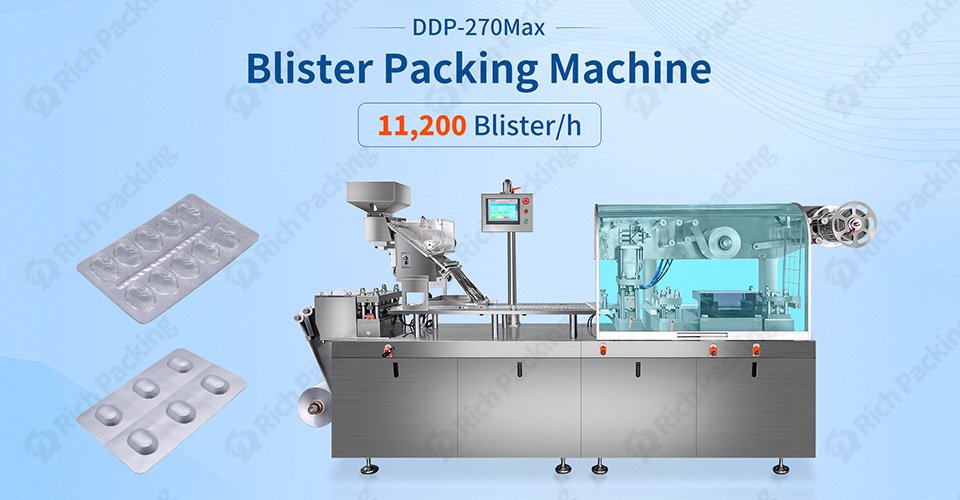
Selecting the appropriate blister packing machine depends on your production needs, product type, and budget.
· Production Volume: High-speed machines are ideal for large-scale operations.
· Material Compatibility: Choose between thermoforming for transparency or cold forming for durability.
· Customization Options: Look for machines offering flexibility in cavity shapes and sizes.
Choosing the wrong material can compromise product protection. Always select materials compatible with your product's sensitivity and shelf-life requirements.
Regular maintenance is crucial for preventing downtime. Schedule inspections and keep spare parts on hand.
Improper sealing can lead to contamination or product loss. Ensure machines are calibrated correctly and operators are trained.
Blister packing continues to dominate pharmaceutical packaging due to its unmatched combination of protection, precision, and convenience. From enhancing consumer trust to streamlining production processes, it offers significant advantages over alternative methods like bottles or sachets.
Blister packing is an essential solution for the pharmaceutical industry, offering reliable protection and precise dosing. Understanding the methods used by blister packing machines helps manufacturers choose the right equipment for their needs. For further information or to find the perfect blister packing solution, reach out to our team today!

29+ years in pharmaceutical machinery, covering capsule filling, tablet pressing, blister packaging, tablet and capsule counting, cartoning, GMP production, and overseas machine service.

Email : manager@richpacking.cn
Building D, No. 226, Beishan Qiaotou Street, Haizhu District, Guangzhou City, Guangdong Province, China


 IPv6 network supported