Jul 08, 2024
What Is Blister Packaging And Its Advantages And Disadvantages
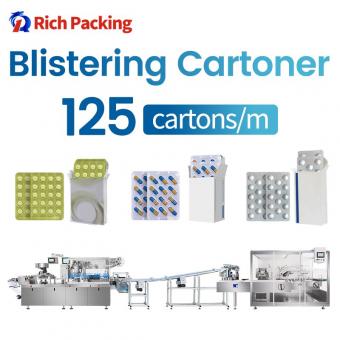
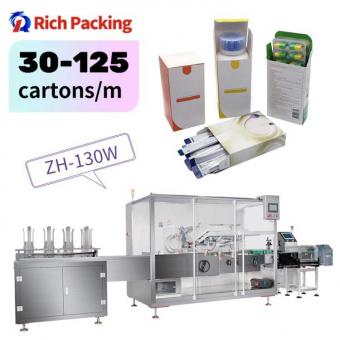
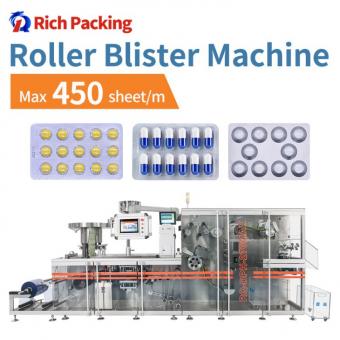
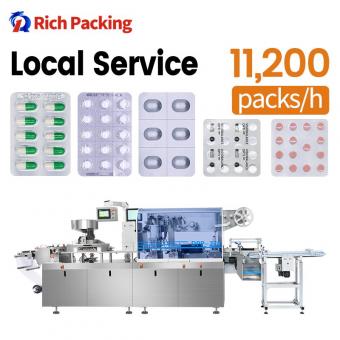
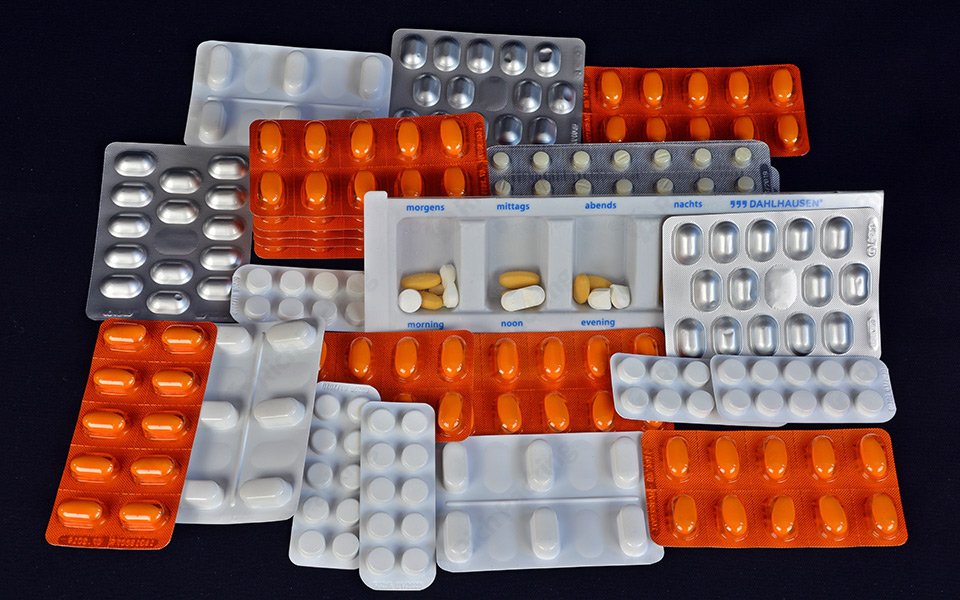
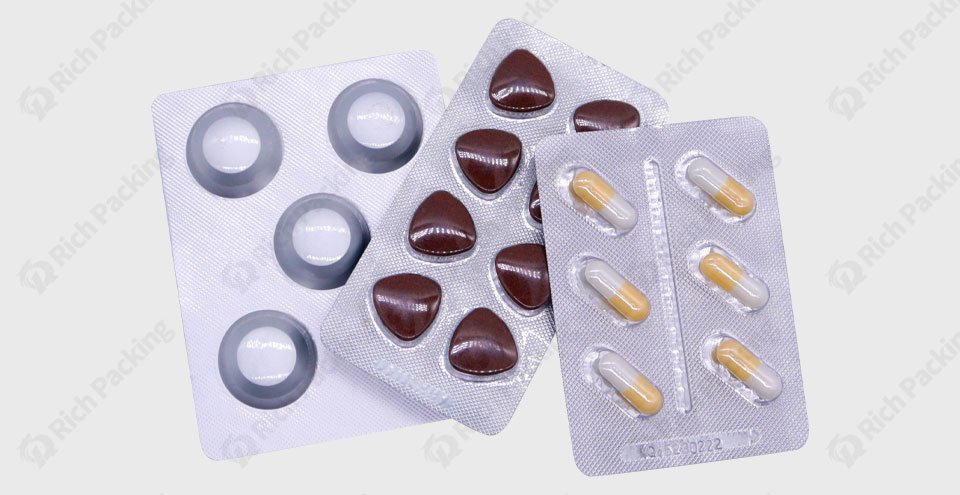
Speaking of bubble cover packaging, many people may not be familiar with what it is. However, blister packaging this packaging method has been widely penetrated into various areas of our daily life. For example, from small to street convenience stores, large shopping supermarkets, hardware stores, hospitals, pharmacies, stationery and daily products, blister packaging can be seen everywhere in our lives. Then why is this packaging so popular and widely used? Then let me explain in detail what is blister packaging and its advantages and disadvantages. What Is Blister Packaging? Blister packaging is a modern common and widely used packaging method, especially suitable for small goods, such as drugs/health products, disposable medical equipment, solid food and liquid food, cosmetics, biochemical and daily chemical products, stationery, small hardware accessories, toys, auto parts, agricultural seeds, electronic products and other products. The basic principle of blister packaging technology is to encapsulate the product in a pre-formed transparent plastic blister, and then seal the blister and a backplane (bottom plate) together. Below I will give you a detailed introduction to the blister packaging. The Composition Of Blister Packaging 1. Blister cap: It is generally made of plastic material (PVC) or metal material (aluminum foil) by heating blow molding or mold pressing, so that it forms one or more raised cavities to accommodate the product. The blister can also be customized according to the shape of the product mold to form a special shape of the cavity to meet different needs. The following is the introduction of common materials for blister molding. 1.1 Plastic material of bubble cap: Polyvinyl chloride (PVC) : high transparency, easy to form, cheap. Polyethylene terephthalate (PET) : good barrier, strong chemical resistance. Polypropylene (PP) : Good heat resistance, suitable for high temperature sterilization. 1.2 Metal material of bubble cap: Aluminum foil: the most commonly used backplane material, excellent barrier, easy to open after sealing. Aluminum-plastic composite material: combining the advantages of plastic box aluminum foil. 2. Back Plate: The backplane of drug blister packaging is commonly used as aluminum foil material, and can also be used according to the needs of different products, such as plastic, cardboard, dialysis paper or other composite materials, as the support and closed surface of the blister can also print display information, such as brand name and logo, promotional activity information, product information, instructions for use, warning information, etc. 3. Sealing Layer: The connecting part between the blister cap and the back plate is tightly combined by using heat sealing, cold sealing or bonding to ensure the tightness and integrity of the package. In the selection of blister packaging, the choice of material should consider a number of factors, such as product characteristics, size and...
View More





 IPv6 network supported






 Home
Home Products