






 Home
Home Products
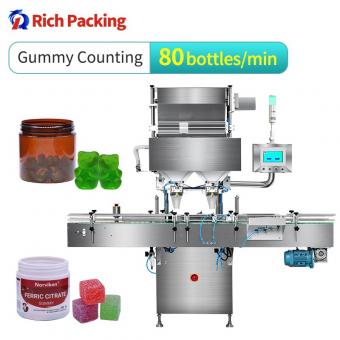
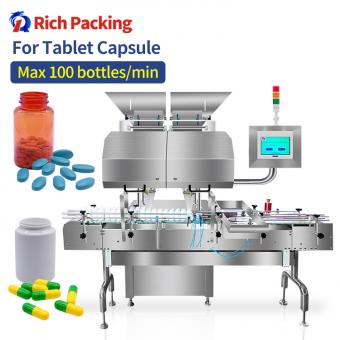
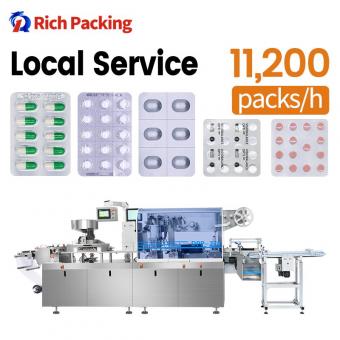
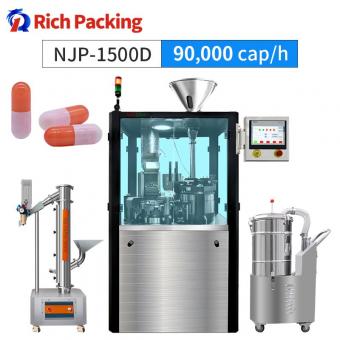
29+ years in pharmaceutical machinery, covering capsule filling, tablet pressing, blister packaging, tablet and capsule counting, cartoning, GMP production, and overseas machine service.

When it comes to packaging, the capping process plays a critical role in securing product quality, ensuring tamper-evidence, and maintaining product integrity. Whether you operate in the food and beverage, pharmaceutical, cosmetic, or chemical industry, choosing the right capping machine can significantly enhance your production line’s efficiency and reliability. In this guide, we’ll explore the various types of capping machines, their key features, and the factors to consider when selecting one for your business.
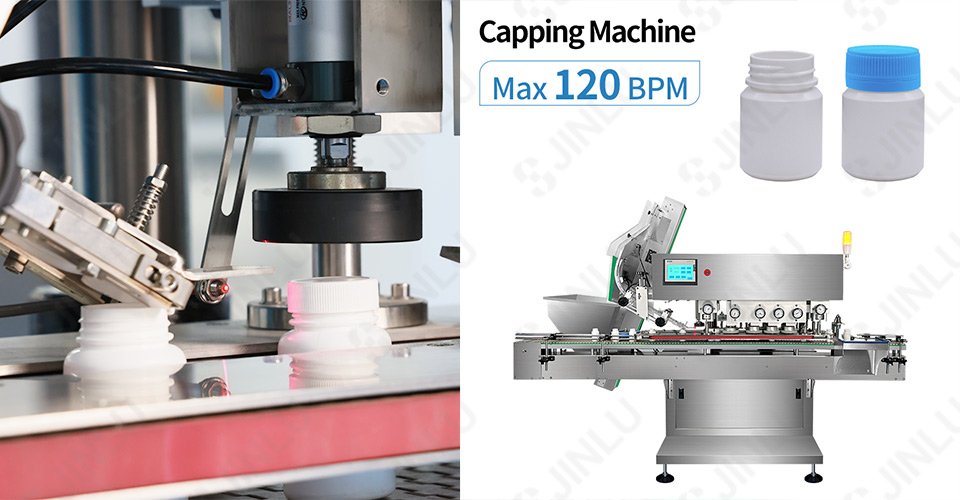
1. Automatic Capping Machines
Automatic capping machines are fully integrated systems designed to apply caps to containers in a high-speed, automated production line. These machines use a conveyor system to transport bottles or containers under a capping head, where caps are applied and tightened. Sensors and programmable logic controllers (PLCs) ensure precise operation.
- High speed and efficiency
- Minimal human intervention
- Adaptability to different cap types and bottle sizes
- Built-in sensors for quality assurance
- High-volume production environments
- Industries like beverages, pharmaceuticals, and personal care
- Consistent torque application
- Reduced labor costs
How They Work
Semi-automatic capping machines require some operator involvement. Typically, the operator places the cap on the container, and the machine performs the capping operation. These machines bridge the gap between manual and fully automatic systems.
- Manual cap placement with automated capping
- Compact and portable design
- Suitable for a variety of container shapes and sizes
- Small to medium-sized operations
- Businesses transitioning from manual to automated systems
- Cost-effective solution
- Easy to operate and maintain
- Greater control over the capping process
Rotary capping machines use a rotating turret equipped with multiple capping heads. As bottles move through the machine, the turret spins, applying caps simultaneously to multiple containers. This setup allows for continuous operation at high speeds.
- High-speed operation
- Multiple capping heads for continuous production
- Precise torque control for consistent results
- Large-scale manufacturing
- Industries requiring high output, such as soft drinks and pharmaceutical bottling
- Exceptional efficiency and output
- Compatibility with different cap styles
- Reduced downtime due to simultaneous capping
Inline capping machines operate along a straight conveyor line, with caps applied as containers move through the system. These machines are highly versatile and can be integrated into existing production lines.
- Straightforward conveyor design
- Adjustable for various container and cap sizes
- Modular components for easy integration
- Medium to large production lines
- Businesses with frequent product changeovers
- Simple and flexible design
- Easy to scale and customize
- Cost-effective for medium-speed operations
Snap capping machines are designed for caps that do not require threading. These machines use pressure to snap caps securely onto containers, ensuring a tight seal.
- Pressure-based sealing mechanism
- Adjustable for different cap and container sizes
- No threading required
- Products with snap-on caps, such as dairy or juice containers
- Industries focused on speed and simplicity
- Fast and efficient
- Reduced wear and tear due to non-threaded caps
- Simplified operation
Screw capping machines apply caps using a rotational motion, threading the cap onto the container neck. These machines are highly versatile and suitable for a wide range of cap styles, including metal and plastic screw caps.
- Rotational torque control
- Adjustable speed settings
- Compatibility with various cap sizes
- Beverage, pharmaceutical, and cosmetic industries
- Applications requiring precise torque specifications
- Tight and secure seals
- Reliable performance for threaded caps
- Low maintenance requirements
ROPP capping machines are specifically designed for roll-on pilfer-proof caps, commonly used in the wine, spirits, and pharmaceutical industries. These machines use rollers to mold the cap onto the container neck, creating a tamper-evident seal.
- Roller-based sealing mechanism
- Tamper-evident closure
- High-speed operation
- Wine, spirits, and pharmaceutical products
- Applications requiring tamper-evidence
- Enhanced product security
- Aesthetic and professional appearance
- Efficient and reliable
Vacuum capping machines create a vacuum inside the container before applying the cap. This ensures a tight seal, prolonging the product’s shelf life by minimizing air exposure.
- Vacuum creation for airtight seals
- Ideal for jars and bottles with liquid contents
- Adjustable settings for various container sizes
- Food and beverage industries (e.g., sauces, jams, and pickles)
- Products requiring extended shelf life
- Prolonged freshness and quality
- Tamper-proof seals
- Enhanced product preservation
Chuck capping machines use a chuck or collet to grip the cap and apply it to the container. This mechanism ensures consistent torque and precise capping, even at high speeds.
- Accurate and repeatable torque application
- Customizable chucks for different cap styles
- High-speed capability
- Pharmaceutical and cosmetic products
- Industries requiring precision and reliability
- Consistent sealing results
- Versatility for various cap designs
- Durable and robust construction
Evaluate your production needs. High-speed machines like rotary or automatic systems are ideal for large-scale operations, while semi-automatic or manual systems suit smaller batches.
Ensure the machine can handle the specific cap types and container shapes used in your production line.
Some industries, such as pharmaceuticals, require tamper-evident closures or vacuum seals. Choose a machine that meets these regulatory standards.
Consider machines that can be upgraded or expanded as your business grows.
Weigh the cost of the machine against its features and long-term benefits. Investing in a reliable system can save costs on maintenance and downtime.
Choosing the right type of capping machine can significantly improve your production line’s efficiency, ensuring your products are securely sealed and meet industry standards. From automatic and rotary systems for high-speed operations to semi-automatic and manual options for smaller-scale needs, understanding the features and benefits of each type helps you make an informed decision. By considering factors such as production volume, cap compatibility, and industry requirements, you can select the ideal capping solution to enhance your packaging process and boost your business success.

29+ years in pharmaceutical machinery, covering capsule filling, tablet pressing, blister packaging, tablet and capsule counting, cartoning, GMP production, and overseas machine service.

Email : manager@richpacking.cn
Building D, No. 226, Beishan Qiaotou Street, Haizhu District, Guangzhou City, Guangdong Province, China


 IPv6 network supported