< img height="1" width="1" style="display:none" src="https://www.facebook.com/tr?id=860012012932429&ev=PageView&noscript=1" />
capsule counting machine
  • Jul 07, 2025 Unique Guide to Tablet Presses: How to Select A Tablet Press
    When selecting a tablet press, what are pitfalls that some buyers are likely step into? What are significant considerations that buyers may neglect before purchasing tablet presses? This article analyses these aspects and at the same time describes types and the working theory of pill presses.   A tablet pressing machine is a mechanical system designed to compact powdered substances into uniform pills—a function vital to pharmaceutical manufacturing. Pill press machines are essential for ensuring precise dosing consistency in producing medication tablets and dietary supplements.   medication tablets and a pharmaceutical tablet press machine     1. Varieties of Tablet Press Equipment Pill press machines exist in multiple types tailored to specific production demands. Identifying distinct categories of tablet press machines is essential for choosing proper equipment for your manufacturing operations.   ·Rotary Tablet Press: Tailored for large-scale pharmaceutical manufacturing, a rotary tablet machine produces thousands of tablets hourly by utilizing a rotating turntable equipped with numerous punches and dies.   ·Automatic Tablet Presser: An automatic pill pressing machine is also a rotary tablet press and further enhances efficiency. A fully auto pharmaceutical tablet press allows real-time monitoring and parameter adjustment, guaranteeing consistent quality with minimal manual involvement.   the main mechanism of an auto tablet press   ·Hydraulic Tablet Press: A hydraulic tablet presser forms tablets by applying liquid pressure, ideal for materials requiring greater compaction force. A hydraulic pill press serves sectors from medical to industrial applications, particularly for pressing tablets with precise hardness or density requirements, though slower than a rotary tablet machine.   ·Multi-Station Pill Press: A tablet compression machine with multi-stations simultaneously produces tablets in multiple sizes and shapes. This capability eliminates the need for multiple machines, essential for large-scale production due to the capacity to manufacture several tablet types concurrently.   2. Important Components of A Tablet Presser A pill press machine relies on several vital parts working together during tablet pressing:   Components Functions Upper punches Compress powder or granules into middle die cavities to form tablets. Lower punches Support the ingredient (powder/granule) bed and upper punches' compression force, and finally eject finished tablets. Dies Define tablets' final shapes and sizes, ensuring pill product uniformity. Loading hopper Loads powder or granules into the pill pressing chamber. Compression rollers Include upper and lower rollers to deliver pressing force required...
    View More
  • Jun 20, 2025 The Ultimate Guide to Pharmaceutical Packaging: Types, Materials & Machinery
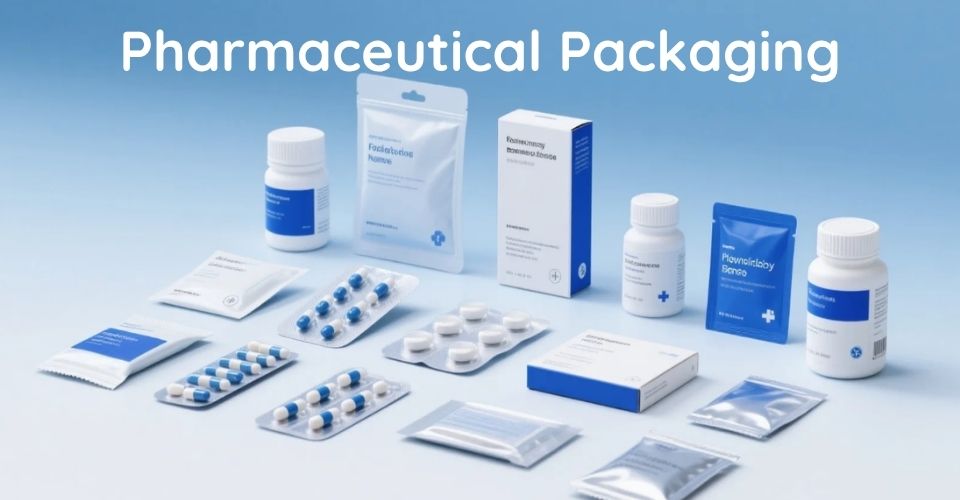
    Pharmaceutical packaging plays a vital role in medicine protection, maintaining drug efficacy and guaranteeing patient safety. Whether you're a pharmaceutical manufacturer, supplement company, or packaging supplier, in this guide you will learn the main types of pharmaceutical packaging, materials used, machinery involved, and trends shaping the future of pharma packaging.       1. What Is Pharmaceutical Packaging? Pharmaceutical packaging refers to the process of enclosing pharmaceutical products, such as tablets, capsules, liquids, powders, or injectables, in containers that ensure their safety, stability, and usability from production to final consumption. Pharma packaging includes a wide range of packaging types, materials, and technologies designed for multiple purposes.   Key Functions of Pharmaceutical Packaging: • Protection: Shields the product from physical damage, microbial contamination, UV light, moisture, and oxygen. • Preservation: Helps maintain the chemical and physical stability of the medication while in storage or during transport. • Identification: Displays crucial details such as the drug name, dosage, batch number, expiry date, and manufacturer, etc. • Patient Safety & Compliance: Ensures ease of use, accurate dosing, and tamper-evident features to prevent misuse. • Regulatory Compliance: Meets GMP, serialization, and labeling requirements for global distribution.   2. Main Categories of Pharmaceutical Packaging Pharmaceutical packaging can be divided into three main categories: primary, secondary, and tertiary packaging, each packaging technology serving a unique purpose in the pharmaceutical supply chain.   1) Primary Packaging of Pharma Packing   Primary packaging is the first layer of medicine packaging that directly contact with the products such as pills, tablets, capsules, etc. It is essential for preserving drug stability and avoiding contamination. This type of pharma packing must meet strict GMP (Good Manufacturing Practice) and FDA/EMA guidelines.       Common examples of primary pharmaceutical packaging include: • Blister packs for tablets and capsules. • Plastic or glass bottles for liquid syrups or solid doses. • Vials and ampoules for injectables. • Sachets and pouches for powders and single-use doses.   2) Secondary Packaging of Pharma Packing Secondary packaging for pharma industry is the outer layer that holds one or more primary packages. It is vital for branding, labeling, patient information, and tamper evidence. Though it doesn't touch the product directly, it's essential for regulatory compliance and consumer trust.     Typical secondary pharma packaging formats include: • ...
    View More
  • Jun 11, 2025 How Long Is Tablet Shelf Life out of Blister Packs?
    Medication, playing a crucial role in contemporary healthcare industry,  demands proper storage for preserving its effectiveness. A common question is: How long can capsules and tablets last outside their blister packs? Medicine blister packs (also known as bubble packs) are designed to shield pills and capsules from moisture, light, and air, but once opened, their durability becomes uncertain. This article examines medication shelf life, advantages of blister packs packaging, and how to maximize the usability of bubble pack for meds while ensuring product safety.   blister packs for meds   1. Factors Influencing Medication Shelf Life The shelf life of pills and capsules refers to the period during which they remain both safe and effective. Several factors influence this duration, including the chemical composition, packaging, and storage conditions of bubble pack meds. Manufacturers typically provide an expiration date, indicating the timeframe in which the blister packaging medication retains its potency—assuming blister pack meds remain sealed in their original packaging. However, real-world conditions can significantly alter this timeframe.   Research shows that environmental exposure, particularly to air, moisture, and light, is the primary factor affecting the stability of blister pack meds. Once removed from their original medicine blister pack, medication tablets become more susceptible to physical and chemical changes. High humidity or temperature fluctuations can influence the API effectiveness. Therefore, proper storage and protective packaging are key considerations when determining how long drug tablets last outside medical blister packs.   Medication Form Stability Sugar-coated Tablets Initially resistant to moisture, but degradation accelerates if the coating is damaged. Film-coated Tablets More moisture- and oxygen-resistant than uncoated tablets, though prolonged exposure can still affect stability. Capsules Gelatin shells are highly sensitive to humidity, leading to softening or hardening under adverse conditions. Powders Extremely moisture-sensitive, with a tendency to clump or lose potency upon exposure.   Additionally, blister pack meds such as sugar-coated tablets, film-coated tablets, capsules, and powders exhibit varying stability levels, with each type offering distinct moisture and environmental protection. This underscores the importance of blister packs packaging, which serves as an effective barrier tailored to different bubble pack meds to preserve their efficacy.   2. The Importance of Blister Packs in Maintaining Tablet Integrity Blister packs play a crucial role in maintaining the stability and safety of pills and capsules. Designed with protective foil, the medicine blister pack can shield each dose from damaging elements such as heat, humidity, light, and oxygen exposure. The foil barrier...
    View More
  • May 30, 2025 Effervescent Tablets: Benefits, Uses, Machine Guide
    Effervescent tablets, also known as fizzy tablets, have carved out a significant niche in both the nutritional and personal wellness product markets. These tablets are increasingly favored for vitamins, minerals, and general health supplements. Behind the scenes, their production involves sophisticated machinery designed for precise compression and efficient packaging. Whether you're searching for knowledge of effervescent supplements, effervescent pills, or wondering what effervescent machines to use for production and packaging, this guide covers it all.       1. Effervescent vs Effervescent Tablets: What’s the Difference?   What is effervescent? The term “effervescent” refers to the fizzing or bubbling effect that occurs when a substance dissolves in water and releases gas which is usually carbon dioxide. This fizzy reaction, known as effervescence, is commonly used in products like sparkling water, fizzy vitamins, and fast-acting medications.   What is an effervescent tablet? An effervescent tablet, on the other hand, is a specific type of solid dosage form designed to dissolve in water and release its active ingredients with a fizz. These tablets are widely used in the pharmaceutical and supplement industries for their rapid absorption, pleasant taste, and ease of use.        The table below highlights the key differences between general effervescent substances and effervescent tablets.   Feature Effervescent Effervescent Tablet Definition A general term describing substances that produce bubbles/fizz when dissolved. A specific tablet form designed to effervesce in water and release active ingredients. Form Can be powders, granules, or tablets. Always a compressed tablet form. Usage Context Broad: includes drink powders, supplements, medications. Pharmaceutical or nutraceutical solid dosage form. Primary Components Any mixture capable of creating effervescence (acid + carbonate). Typically citric acid + sodium bicarbonate, plus active ingredients. Delivery Method Mixed in water to create a fizzy drink. Dropped in water to release active ingredients in liquid form. Purpose Enhances solubility, taste, and bioavailability. Delivers a precise dose quickly and conveniently via liquid. Examples Electrolyte powders, effervescent vitamin sachets. Vitamin C tablets, pain relief tablets, antacids, hydration support.   2. How Do Effervescent Tablets Work? Effervescent tablets use a fast-dissolving delivery system that improves absorption. They combine an acid (like citric acid) with a carbonate (such as sodium bicarbonate). When added to water, these ingredients react to produce carbon dioxide (CO₂), creating a fizz that helps the active ingredients dissolve evenly. The resulting liquid is easy to ingest and often enhances bioavailability, making effervescent tablets ideal for fast-acting supplements and me...
    View More
  • May 29, 2025 Understanding Blister Packs
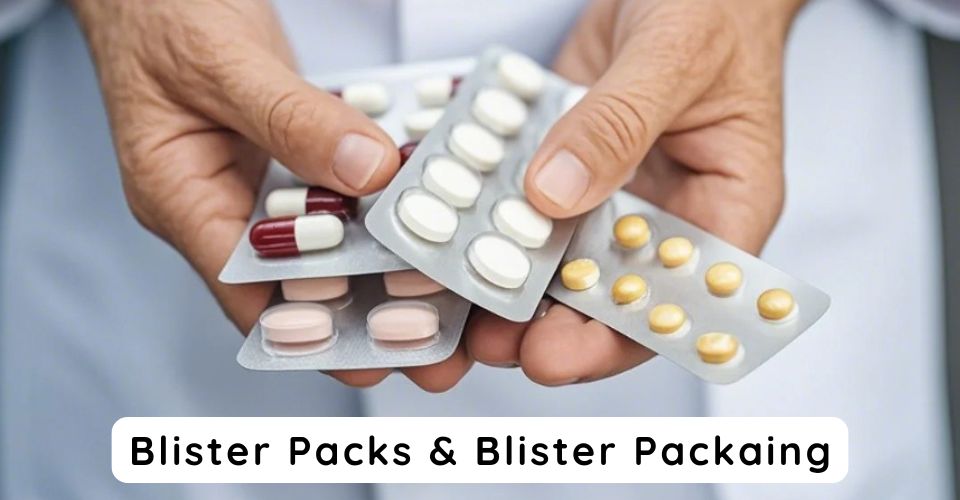
    Blister packaging serves as a protective solution for products like capsules, tablets, pills, and candy, featuring a clear, sealed covering that allows for easy visibility while extending shelf life. Commonly employed for pharmaceuticals, electronics, food items, and everyday consumer goods, the blister pack packaging method improves safety, enhances pharma packing display, and provides a durable, recognizable barrier.   But what is a blister pack? What is blister packaging? Where is blister packaging most widely utilized, and what factors contribute to the widespread adoption of medicine blister packs? This article explores the applications and roles of blister packaging, its various types, key advantages, and its significance across industries in modern pharma packing.   tablet/ capsule blister pack, containing tablets or capsules   1. Defining Blister Packaging Blister packaging, performed by a blister packaging machine, involves securing a product within a molded cavity, typically enclosed by a transparent plastic sheet or aluminum foil. Constructed from materials like PVC, PET, or aluminum, the blister bag packaging creates a protective barrier against external factors. Blister package is particularly prevalent for packing medicines (such as pills and capsules), electronics, and cosmetics, where both visibility and product integrity are crucial.   The blister packing process entails shaping cavities to hold product items, which is then sealed with a lidding material—often plastic film, aluminum foil, or a combination. Key blister pack packaging stages include forming, filling, sealing, and cutting, ensuring resistance to moisture, contaminants, and physical damage while also improving visual appeal of pharma packing. From safeguarding pills and capsules to providing tamper-resistant enclosures for electronics, blister packaging remains indispensable across numerous sectors.   2. Common Blister Packaging Materials   The choice of materials for blister packaging depends on industry-specific needs and the desired packaging type. Here are the most widely used blister pack packaging materials and their key advantages.     2.1 PVC (Polyvinyl Chloride) Rigid PVC is a top choice for blister packaging due to its high clarity and strong protective qualities. It effectively shields products like pills and capsules from moisture and contaminants, suitable for pharmaceuticals and consumer goods. Additionally, PVC is cost-effective, which makes it ideal for large-scale production such as capsule manufacturing, where budget is a key factor.   2.2 PET (Polyethylene Terephthalate) PET is a recyclable material, offering an eco-friendly option for blister pack packaging. While its barrier properties may not match PVC, its sustainability has increased its popularity in environmentally conscious industries. PET also ensures excellent transparency of every blister pack, essential for retail pa...
    View More

  • May 27, 2025 What Are Different Types of Pills?
    A pill is a compact, spherical or oval drug dosage form, ranking among the most widely used medication types. These pharmaceutical preparations include both prescription drugs and over-the-counter medications. Designed in diverse sizes, shapes, and formulations, pills including drug tablets and capsules ensure precise and efficient delivery of specific drug doses into bodies. The term encompasses tablets, capsules, and similar solid oral medications, typically taken by mouth but sometimes administered sublingually. Their popularity comes from convenient usages, portability, and accurate dosing.   The extensive, different types of pills stems from patient needs and therapeutic goals. Different formulations address factors like absorption rate, ease of swallowing, or drug stability in gastric environments. Some types of pill tablet capsule feature controlled-release mechanisms for gradual active ingredient delivery, while others provide immediate relief. These variations ensure medications are administered in the most suitable way, tailoring treatment to individual patient requirements.   1. Different Types of Pills by Form   Types of Pills Characteristics Function Advantages Hard Capsules Powdered medication enclosed in a gelatin shell, ensuring precise dosing for stable formulations such as vitamins and drug ingredients Delivers measured doses and maintains stability for vitamins and medicines Precise dosage, ideal for drug formulations Softgels Liquid or semi-liquid medication encased in a soft gelatin shell, allowing rapid stomach dissolution Promotes fast absorption; often used for supplements like omega-3 oils Rapid uptake, effective for quick-delivery supplements Sprinkle Capsules Small, pelletized medication that can be mixed with food or drinks, catering to patients with swallowing challenges Provides an alternative administration method for individuals (e.g., children, elderly) who may have difficulties in swallowing User-friendly for dysphagia patients, adaptable consumption Conventional Tablets Coated solid doses containing high drug volumes, designed for sustained-release treatment of chronic conditions Ensures controlled, gradual drug release for long-term disease management Reliable release profile, optimized for chronic therapies Chewable Tablets Formulated to be chewed before swallowing, simplifying intake for children or others with swallowing difficulties commonly used for vitamins and medicines Facilitates ease of use for dysphagia patients, particularly in pediatric or geriatric care. No swallowing required, often flavored for palatability Orally Disintegrating Tablets Rapidly dissolves in the mouth without water, suited for quick relief or patients unable to swallow pills Enables instant medication delivery, critical for acute symptoms Water-free administration, fast-acting for emergencies Effervescent Tablets Designed to dissolve in water, producing a carbonated drink enhances abso...
    View More
  • May 19, 2025 Tablets VS Softgels: What Are Differences?
    Discussions about tablets vs softgels remain a key concern for both pharmaceutical and supplement industries, as the dosage form in gel capsules or tablets directly influences end-user efficacy and experience. Beyond mere preference, this distinction depends on scientific and practical factors: specifically, how to optimize delivery systems for maximum therapeutic benefit.   Over time, the range of active pharmaceutical ingredients (APIs) and their dosage forms has expanded far beyond traditional tablets and soft gel capsules. Each formulation type emerges to address specific drug delivery challenges, whether improving bioavailability, stability, or patient compliance.     By understanding respective strengths of softgels and tablets, from absorption rates to ease of use, pharmaceutical manufacturers can design better delivery systems, boost bioavailability, ensure stability, and meet diverse user needs, thereby maximizing treatment effectiveness and user experience. The knowledge meanwhile helps consumers have more suitable options tailored to their treatment or supplementation needs.   1. Understanding Tablets, Softgels, and Hard Capsules 1.1 What Are Tablets? Tablets remain the most widely used solid dosage form, produced by compressing blended active pharmaceutical ingredients (APIs) and excipients. Modern advancements have introduced specialized coatings and controlled-release mechanisms to optimize drug delivery. Despite these innovations, tablets maintain their cost-effectiveness while ensuring consistent gastrointestinal absorption and therapeutic performance.     1.2 What Are Softgels? Soft gel capsules feature a seamless gelatin-based outer shell designed to encapsulate liquid formulations. Composed of a specialized blend of gelatin, plasticizers, and water, this flexible, durable barrier effectively safeguards oil-based medications and liquid supplements. The design of softgel not only preserves the integrity of the contents, but also enhances bioavailability by facilitating absorption in the digestive system.      1.3 What Are Hard Capsules? Different from softgels, hard capsules consist of two interlocking shells, typically manufactured from gelatin or plant-derived alternatives. This two-piece structure makes hard capsules ideal for housing dry powders or granules, allowing for versatile formulation options. Additionally, the protective casing ensures stability, preventing ingredient degradation until consumption.      2.Hard Capsules VS Softgels, What Are Differences? The construction and intended application distinguish softgels from hard capsules. A softgel consists of a single sealed shell capable of securely holding liquid contents, whereas a hard capsule is formed from two fitted pieces meant for dry medications. Furthermore, the shell’s formulation determines its stability and the absorption rate.       Characte...
    View More
  • May 13, 2025 Blister Packs and Blister Packaging: Ultimate Guide
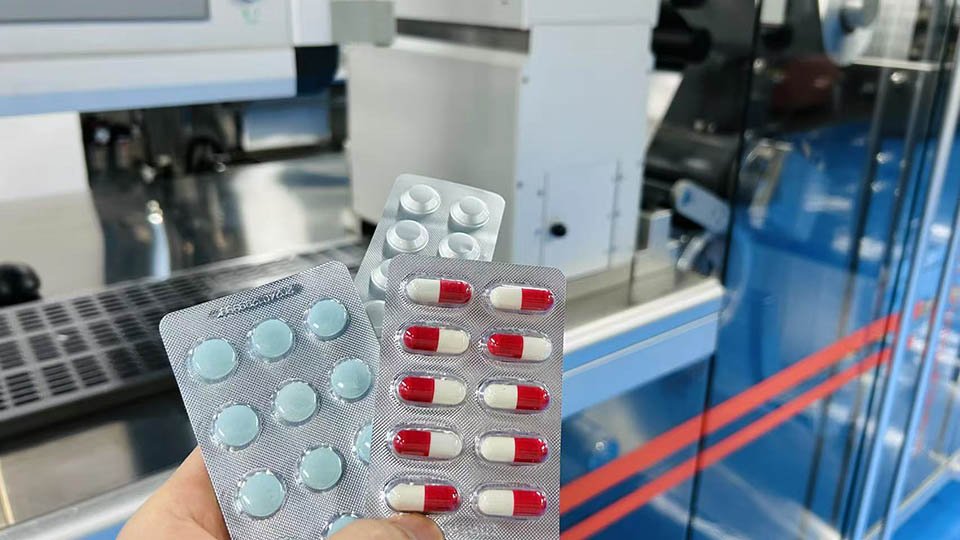
    Blister pack and blister packaging machine are widely used across pharmaceutical, nutraceutical, and consumer goods industries. From securing medication to packaging toys and electronics, blister packs offer protection, convenience, and visual appeal. This comprehensive guide explores what blister pack packaging is, the different types, its advantages, how blister packing machine works, and how to choose the right solution for your business.     1. What Is a Blister Pack? A blister pack is a type of pre-formed plastic packaging used to contain individual units of products. It typically includes a cavity or pocket made from PVC, PET, or aluminum foil, sealed with a backing made of paper, plastic, or aluminum. Products packaged in this way such as blister pack medication, are protected from environmental factors such as moisture, contamination, and tampering.     2. What Is Blister Packaging? Blister packaging refers to the process and materials used to create blister packs. It involves thermoforming or cold forming materials into pockets or cavities that enclose a product, then sealing them with a backing material. This packing method is very common for pharmaceutical and supplement products like blister pack meds.   1) Benefits of Blister Pack Packaging • Product Protection: Shields from humidity, contamination, and damage. Medical blister packs preserve drug integrity and prolong shelf life. • Dosage Accuracy: Helps patients track intake with pill blister packs, blister pack drugs, and blister pack capsules. • Branding & Compliance: Custom blister card packaging, plastic blister packaging, and paper blister packaging enhance shelf appeal. • Versatility: Suitable for pharmaceutical, nutraceutical, electronics, beauty, and toy industries.   2) Blister Packaging Common Applications • Blister pack medications: Such as blister pack capsules and blister pack tablets, commonly seen in over-the-counter products like paracetamol blister packs or vitamin C capsule blister packs, providing airtight protection and convenient dosage control.   • Medical blister packaging: For devices and supplements such as scalpels and blades, syringes and needles, surgical scissors, etc., ensuring sterility and safe storage using dialysis paper and PVC blister packaging or custom blister card packaging. For example, pre-sterilized syringes in single-use blister packs help maintain hygiene in clinical environments.   • Consumer goods blister packaging: For toys, batteries, and small consumer goods like USB drives, earphones, and accessories, which are often in clamshell blister packaging or trapped blister packaging to prevent tampering and theft. For example, AA batteries are typically sold in sealed blister packs with clear plastic front and cardboard backing.   &bul...
    View More
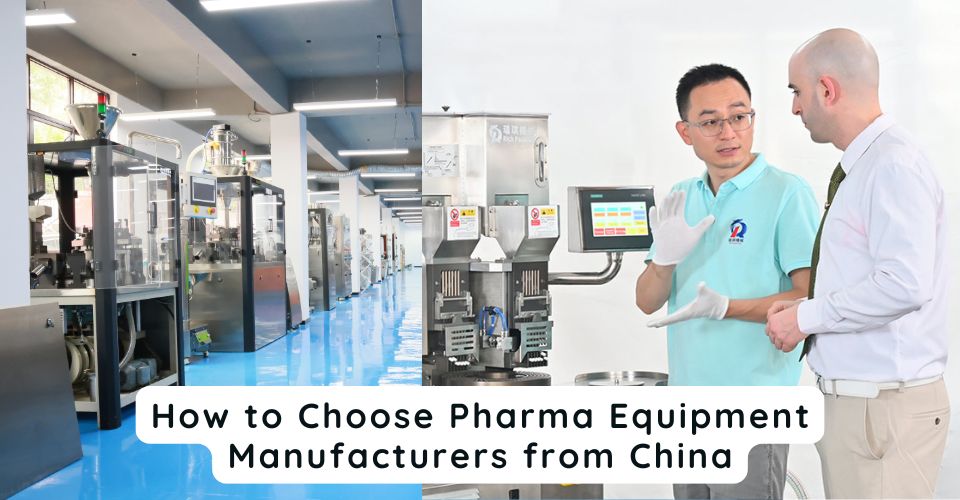
  • Apr 27, 2025 Avoid Scams: How to Choose Pharmaceutical Equipment Manufacturers from China
    1. Insights from a Buyer with 20 Years of Procurement Experience If you're sourcing pharmaceutical packaging equipment from China, like capsule filling machines, tablet presses, or blister packaging machines, you know the risks are high. Quality impacts compliance, downtime costs money, and poor support delays production. With over 20 years of procurement experience in pharmaceutical machinery, in this article I will show you how to avoid scams, followed by a step-by-step guide to choosing a reliable supplier from China.     2. Common Risks When Buying Pharma Machines from China   Before diving into catalogs and comparisons, it's essential to be aware of common problems that many international buyers face when sourcing pharmaceutical machines from China:   1) False Advertising of Machine Quality   It’s very common for buyers to encounter machinery that fails to meet declared specifications. Some suppliers exaggerate machine specification or use substandard materials. For instance, a few years ago I tested a "semi-automatic capsule filling machine" from a supplier in Zhejiang that claimed a separation rate of 99.5%, but in reality, it failed to separate even 60% of capsules properly. The output and quality of the production greatly impacted, which was a huge disappointment.   2) Poorly Written or Missing User Manuals   Pharmaceutical equipment such as capsule fillers, tablet pressing machine or blister packing machines require precise setup and operation, so the manuals and instruction materials are very important. Unfortunately, many Chinese pharmaceutical equipment manufacturers provide only Google-translated documents, lacking critical instructions or diagrams, which is completely usable. Or even worse no manuals at all. This often results in extended setup times, user errors, and additional training costs.   3) Weak After-Sales Support A major concern with some Chinese pharmaceutical equipment manufacturers is unreliable after-sales service. It is reported that many buyers have complained situations where manufacturers overpromised during the sales process but fail to deliver on their commitments once the contract is signed, especially regarding timely spare parts, remote assistance, or warranty follow-up. Delays in service can lead to equipment downtime, disrupting production and risking regulatory compliance.   4) Overemphasis on Low Price Finally, the issue of low-price competition among Chinese manufacturers is a significant concern for buyers. While low-cost machines may seem attractive upfront, they often come with hidden costs such as inferior machine quality, frequent repairs, short service life, bad performance or poor compatibility with GMP requirements. With so many low prices in the market, it is difficult for buyers to differentiate betwe...
    View More
1 ... 12 13 14 15 16 ... 28

A total of 28 pages

Leave A Message
Leave A Message
Please tell us your requirements such as product, model, speed, etc. We will contact you immediately and give you equipment information and quotation。

Service Online

WhatsApp

Email