< img height="1" width="1" style="display:none" src="https://www.facebook.com/tr?id=860012012932429&ev=PageView&noscript=1" />
capsule counting machine
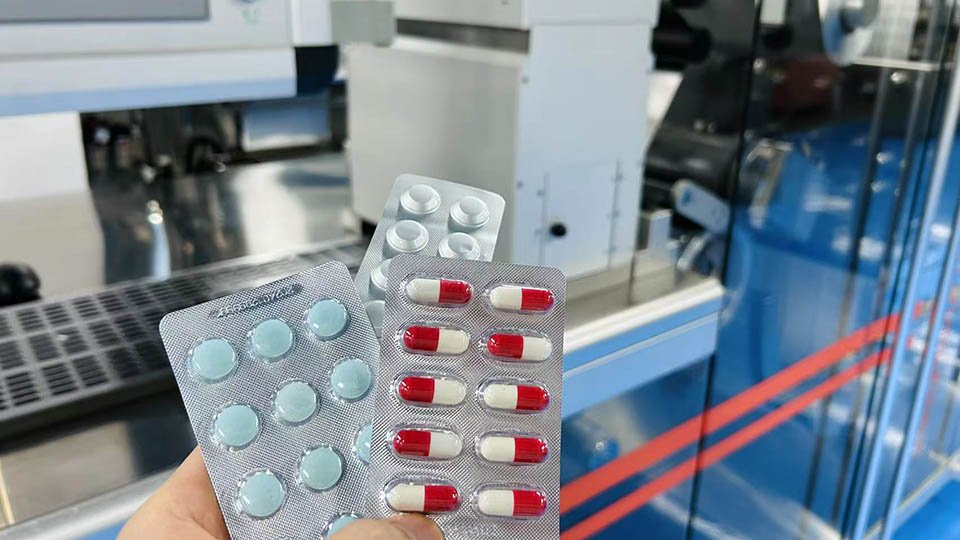
  • May 29, 2025 Understanding Blister Packs
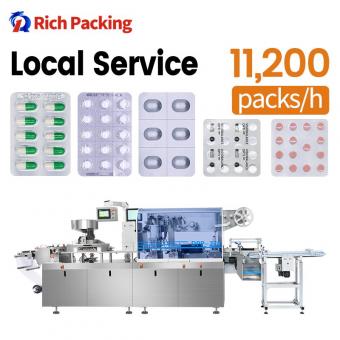
    Blister packaging serves as a protective solution for products like capsules, tablets, pills, and candy, featuring a clear, sealed covering that allows for easy visibility while extending shelf life. Commonly employed for pharmaceuticals, electronics, food items, and everyday consumer goods, the blister pack packaging method improves safety, enhances pharma packing display, and provides a durable, recognizable barrier.   But what is a blister pack? What is blister packaging? Where is blister packaging most widely utilized, and what factors contribute to the widespread adoption of medicine blister packs? This article explores the applications and roles of blister packaging, its various types, key advantages, and its significance across industries in modern pharma packing.   tablet/ capsule blister pack, containing tablets or capsules   1. Defining Blister Packaging Blister packaging, performed by a blister packaging machine, involves securing a product within a molded cavity, typically enclosed by a transparent plastic sheet or aluminum foil. Constructed from materials like PVC, PET, or aluminum, the blister bag packaging creates a protective barrier against external factors. Blister package is particularly prevalent for packing medicines (such as pills and capsules), electronics, and cosmetics, where both visibility and product integrity are crucial.   The blister packing process entails shaping cavities to hold product items, which is then sealed with a lidding material—often plastic film, aluminum foil, or a combination. Key blister pack packaging stages include forming, filling, sealing, and cutting, ensuring resistance to moisture, contaminants, and physical damage while also improving visual appeal of pharma packing. From safeguarding pills and capsules to providing tamper-resistant enclosures for electronics, blister packaging remains indispensable across numerous sectors.   2. Common Blister Packaging Materials   The choice of materials for blister packaging depends on industry-specific needs and the desired packaging type. Here are the most widely used blister pack packaging materials and their key advantages.     2.1 PVC (Polyvinyl Chloride) Rigid PVC is a top choice for blister packaging due to its high clarity and strong protective qualities. It effectively shields products like pills and capsules from moisture and contaminants, suitable for pharmaceuticals and consumer goods. Additionally, PVC is cost-effective, which makes it ideal for large-scale production such as capsule manufacturing, where budget is a key factor.   2.2 PET (Polyethylene Terephthalate) PET is a recyclable material, offering an eco-friendly option for blister pack packaging. While its barrier properties may not match PVC, its sustainability has increased its popularity in environmentally conscious industries. PET also ensures excellent transparency of every blister pack, essential for retail pa...
    View More

  • May 27, 2025 What Are Different Types of Pills?
    A pill is a compact, spherical or oval drug dosage form, ranking among the most widely used medication types. These pharmaceutical preparations include both prescription drugs and over-the-counter medications. Designed in diverse sizes, shapes, and formulations, pills including drug tablets and capsules ensure precise and efficient delivery of specific drug doses into bodies. The term encompasses tablets, capsules, and similar solid oral medications, typically taken by mouth but sometimes administered sublingually. Their popularity comes from convenient usages, portability, and accurate dosing.   The extensive, different types of pills stems from patient needs and therapeutic goals. Different formulations address factors like absorption rate, ease of swallowing, or drug stability in gastric environments. Some types of pill tablet capsule feature controlled-release mechanisms for gradual active ingredient delivery, while others provide immediate relief. These variations ensure medications are administered in the most suitable way, tailoring treatment to individual patient requirements.   1. Different Types of Pills by Form   Types of Pills Characteristics Function Advantages Hard Capsules Powdered medication enclosed in a gelatin shell, ensuring precise dosing for stable formulations such as vitamins and drug ingredients Delivers measured doses and maintains stability for vitamins and medicines Precise dosage, ideal for drug formulations Softgels Liquid or semi-liquid medication encased in a soft gelatin shell, allowing rapid stomach dissolution Promotes fast absorption; often used for supplements like omega-3 oils Rapid uptake, effective for quick-delivery supplements Sprinkle Capsules Small, pelletized medication that can be mixed with food or drinks, catering to patients with swallowing challenges Provides an alternative administration method for individuals (e.g., children, elderly) who may have difficulties in swallowing User-friendly for dysphagia patients, adaptable consumption Conventional Tablets Coated solid doses containing high drug volumes, designed for sustained-release treatment of chronic conditions Ensures controlled, gradual drug release for long-term disease management Reliable release profile, optimized for chronic therapies Chewable Tablets Formulated to be chewed before swallowing, simplifying intake for children or others with swallowing difficulties commonly used for vitamins and medicines Facilitates ease of use for dysphagia patients, particularly in pediatric or geriatric care. No swallowing required, often flavored for palatability Orally Disintegrating Tablets Rapidly dissolves in the mouth without water, suited for quick relief or patients unable to swallow pills Enables instant medication delivery, critical for acute symptoms Water-free administration, fast-acting for emergencies Effervescent Tablets Designed to dissolve in water, producing a carbonated drink enhances abso...
    View More
  • May 19, 2025 Tablets VS Softgels: What Are Differences?
    Discussions about tablets vs softgels remain a key concern for both pharmaceutical and supplement industries, as the dosage form in gel capsules or tablets directly influences end-user efficacy and experience. Beyond mere preference, this distinction depends on scientific and practical factors: specifically, how to optimize delivery systems for maximum therapeutic benefit.   Over time, the range of active pharmaceutical ingredients (APIs) and their dosage forms has expanded far beyond traditional tablets and soft gel capsules. Each formulation type emerges to address specific drug delivery challenges, whether improving bioavailability, stability, or patient compliance.     By understanding respective strengths of softgels and tablets, from absorption rates to ease of use, pharmaceutical manufacturers can design better delivery systems, boost bioavailability, ensure stability, and meet diverse user needs, thereby maximizing treatment effectiveness and user experience. The knowledge meanwhile helps consumers have more suitable options tailored to their treatment or supplementation needs.   1. Understanding Tablets, Softgels, and Hard Capsules 1.1 What Are Tablets? Tablets remain the most widely used solid dosage form, produced by compressing blended active pharmaceutical ingredients (APIs) and excipients. Modern advancements have introduced specialized coatings and controlled-release mechanisms to optimize drug delivery. Despite these innovations, tablets maintain their cost-effectiveness while ensuring consistent gastrointestinal absorption and therapeutic performance.     1.2 What Are Softgels? Soft gel capsules feature a seamless gelatin-based outer shell designed to encapsulate liquid formulations. Composed of a specialized blend of gelatin, plasticizers, and water, this flexible, durable barrier effectively safeguards oil-based medications and liquid supplements. The design of softgel not only preserves the integrity of the contents, but also enhances bioavailability by facilitating absorption in the digestive system.      1.3 What Are Hard Capsules? Different from softgels, hard capsules consist of two interlocking shells, typically manufactured from gelatin or plant-derived alternatives. This two-piece structure makes hard capsules ideal for housing dry powders or granules, allowing for versatile formulation options. Additionally, the protective casing ensures stability, preventing ingredient degradation until consumption.      2.Hard Capsules VS Softgels, What Are Differences? The construction and intended application distinguish softgels from hard capsules. A softgel consists of a single sealed shell capable of securely holding liquid contents, whereas a hard capsule is formed from two fitted pieces meant for dry medications. Furthermore, the shell’s formulation determines its stability and the absorption rate.       Characte...
    View More
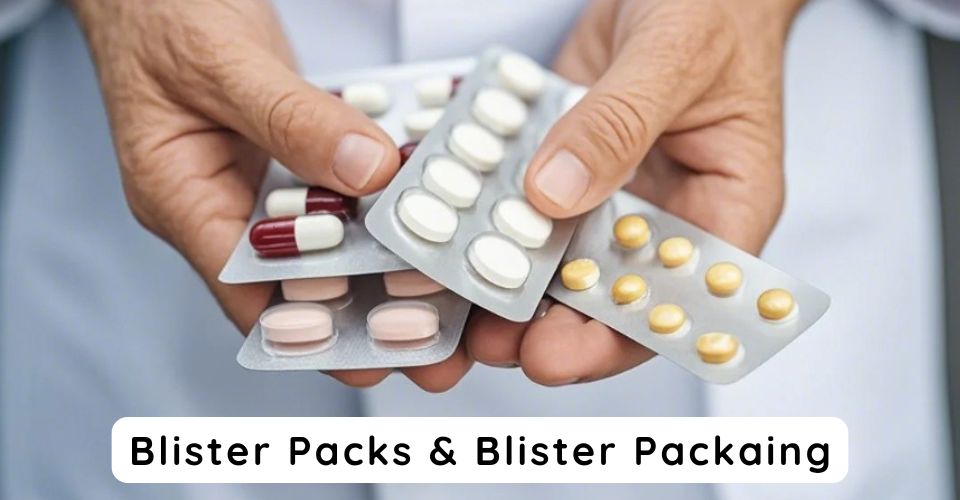
  • May 13, 2025 Blister Packs and Blister Packaging: Ultimate Guide
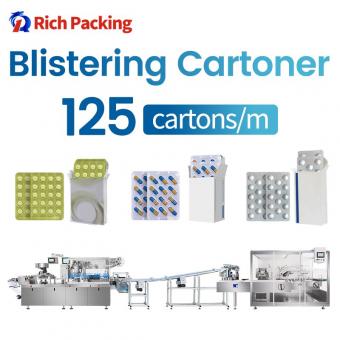
    Blister pack and blister packaging machine are widely used across pharmaceutical, nutraceutical, and consumer goods industries. From securing medication to packaging toys and electronics, blister packs offer protection, convenience, and visual appeal. This comprehensive guide explores what blister pack packaging is, the different types, its advantages, how blister packing machine works, and how to choose the right solution for your business.     1. What Is a Blister Pack? A blister pack is a type of pre-formed plastic packaging used to contain individual units of products. It typically includes a cavity or pocket made from PVC, PET, or aluminum foil, sealed with a backing made of paper, plastic, or aluminum. Products packaged in this way such as blister pack medication, are protected from environmental factors such as moisture, contamination, and tampering.     2. What Is Blister Packaging? Blister packaging refers to the process and materials used to create blister packs. It involves thermoforming or cold forming materials into pockets or cavities that enclose a product, then sealing them with a backing material. This packing method is very common for pharmaceutical and supplement products like blister pack meds.   1) Benefits of Blister Pack Packaging • Product Protection: Shields from humidity, contamination, and damage. Medical blister packs preserve drug integrity and prolong shelf life. • Dosage Accuracy: Helps patients track intake with pill blister packs, blister pack drugs, and blister pack capsules. • Branding & Compliance: Custom blister card packaging, plastic blister packaging, and paper blister packaging enhance shelf appeal. • Versatility: Suitable for pharmaceutical, nutraceutical, electronics, beauty, and toy industries.   2) Blister Packaging Common Applications • Blister pack medications: Such as blister pack capsules and blister pack tablets, commonly seen in over-the-counter products like paracetamol blister packs or vitamin C capsule blister packs, providing airtight protection and convenient dosage control.   • Medical blister packaging: For devices and supplements such as scalpels and blades, syringes and needles, surgical scissors, etc., ensuring sterility and safe storage using dialysis paper and PVC blister packaging or custom blister card packaging. For example, pre-sterilized syringes in single-use blister packs help maintain hygiene in clinical environments.   • Consumer goods blister packaging: For toys, batteries, and small consumer goods like USB drives, earphones, and accessories, which are often in clamshell blister packaging or trapped blister packaging to prevent tampering and theft. For example, AA batteries are typically sold in sealed blister packs with clear plastic front and cardboard backing.   &bul...
    View More
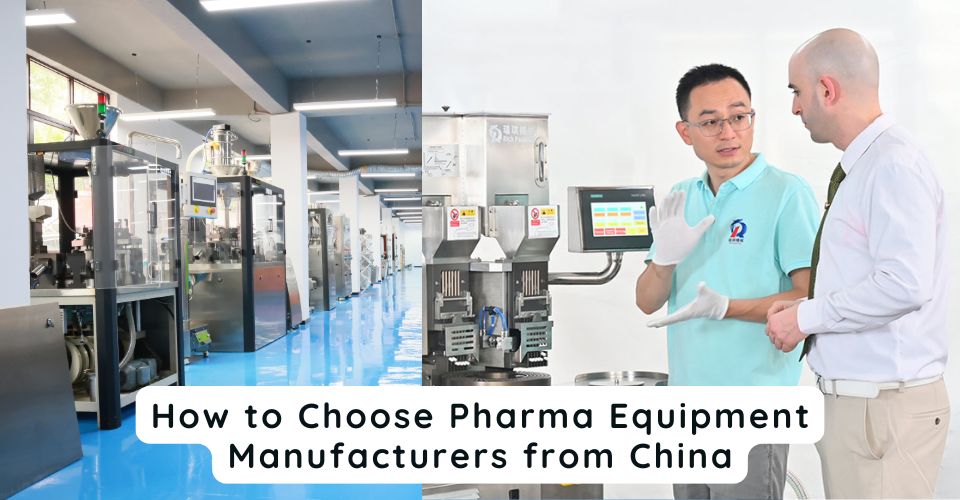
  • Apr 27, 2025 Avoid Scams: How to Choose Pharmaceutical Equipment Manufacturers from China
    1. Insights from a Buyer with 20 Years of Procurement Experience If you're sourcing pharmaceutical packaging equipment from China, like capsule filling machines, tablet presses, or blister packaging machines, you know the risks are high. Quality impacts compliance, downtime costs money, and poor support delays production. With over 20 years of procurement experience in pharmaceutical machinery, in this article I will show you how to avoid scams, followed by a step-by-step guide to choosing a reliable supplier from China.     2. Common Risks When Buying Pharma Machines from China   Before diving into catalogs and comparisons, it's essential to be aware of common problems that many international buyers face when sourcing pharmaceutical machines from China:   1) False Advertising of Machine Quality   It’s very common for buyers to encounter machinery that fails to meet declared specifications. Some suppliers exaggerate machine specification or use substandard materials. For instance, a few years ago I tested a "semi-automatic capsule filling machine" from a supplier in Zhejiang that claimed a separation rate of 99.5%, but in reality, it failed to separate even 60% of capsules properly. The output and quality of the production greatly impacted, which was a huge disappointment.   2) Poorly Written or Missing User Manuals   Pharmaceutical equipment such as capsule fillers, tablet pressing machine or blister packing machines require precise setup and operation, so the manuals and instruction materials are very important. Unfortunately, many Chinese pharmaceutical equipment manufacturers provide only Google-translated documents, lacking critical instructions or diagrams, which is completely usable. Or even worse no manuals at all. This often results in extended setup times, user errors, and additional training costs.   3) Weak After-Sales Support A major concern with some Chinese pharmaceutical equipment manufacturers is unreliable after-sales service. It is reported that many buyers have complained situations where manufacturers overpromised during the sales process but fail to deliver on their commitments once the contract is signed, especially regarding timely spare parts, remote assistance, or warranty follow-up. Delays in service can lead to equipment downtime, disrupting production and risking regulatory compliance.   4) Overemphasis on Low Price Finally, the issue of low-price competition among Chinese manufacturers is a significant concern for buyers. While low-cost machines may seem attractive upfront, they often come with hidden costs such as inferior machine quality, frequent repairs, short service life, bad performance or poor compatibility with GMP requirements. With so many low prices in the market, it is difficult for buyers to differentiate betwe...
    View More
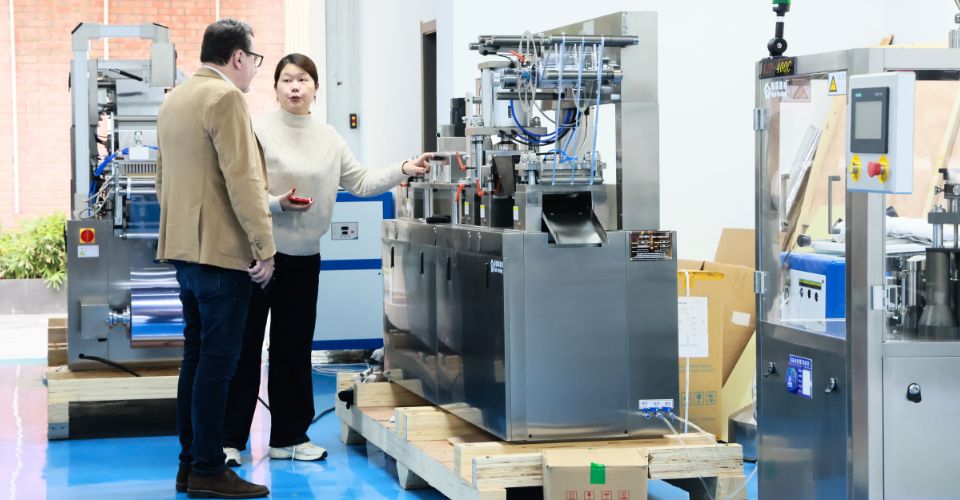
  • Apr 11, 2025 Customized DPP-270Max Blister Packing Machine:Final Inspection Before Delivery
    On April 8th, RichPacking was pleased to host a valued client Mr. Jakub from Poland for the final inspection of his customized DPP-270Max Blister Packing Machine. This visit marked a key milestone in our collaboration and reflected our ongoing commitment to providing tailored solutions for pharmaceutical and medical packaging needs.     Customized Paper-PVC Blister Packaging Machine The DPP-270Max blister packing machine showcased in our showroom is normally set up for Alu-PVC blister packaging, which is commonly used for tablets and capsules blister packaging. However, the client's production requires Paper-PVC blister packaging, a more specialized combination designed for packaging pharmaceutical devices, medical tools or some other special packed medications.   To meet these specific needs, our engineering team carried out the following custom modifications to ensure that the machine delivers high performance while maintaining the integrity and sterility of the products. • Double Forming Cylinders: Since the client’s blister cavities are deeper than standard pharmaceutical packaging, the forming station was upgraded with dual cylinders. This ensures stronger forming pressure, resulting in well-defined, high-quality blisters for clients’ product. • Enlarged Manual Feeding Platform: Due to the irregular shape of the products being packaged, the automatic feeding system was replaced with a customized manual feeding station. This redesign provides greater flexibility and precision during product placement, ensuring smooth operation and accurate alignment. • Integrated Inkjet Printer: An inkjet printing module was added to enable on-line printing of batch numbers, expiration dates, and other essential information directly onto the paper layer. This helps the client meet regulatory and traceability requirements efficiently.     On-site Inspection and Testing During the client's visit, our sales manager Mary personally accompanied him throughout the inspection process to ensure clear communication and thorough understanding. Our senior engineer Mr. Yang was also on-site to assist with any technical questions and demonstrate the customized features in real-time.   The machine underwent a full configuration and trial run, including: • Live forming, manual feeding, inkjet printing, sealing and cutting operations. • Performance tests for alignment, sealing accuracy, and product output. • The client observed the entire process to verify the ease of operation. • Operation video instruction recorded on-site for future needs of clients’ team.     Client’s Satisfied Feedback After witnessing the machine’s successful operation, Mr.Jakub expressed his complete satisfaction with both the machine's customization and our team’s professionalism. He praised the RichPacking team for delivering a solution tailored to his production environment and apprec...
    View More
  • Feb 11, 2025 The Rise of Tablet Capsule Counters in Pharma Industry
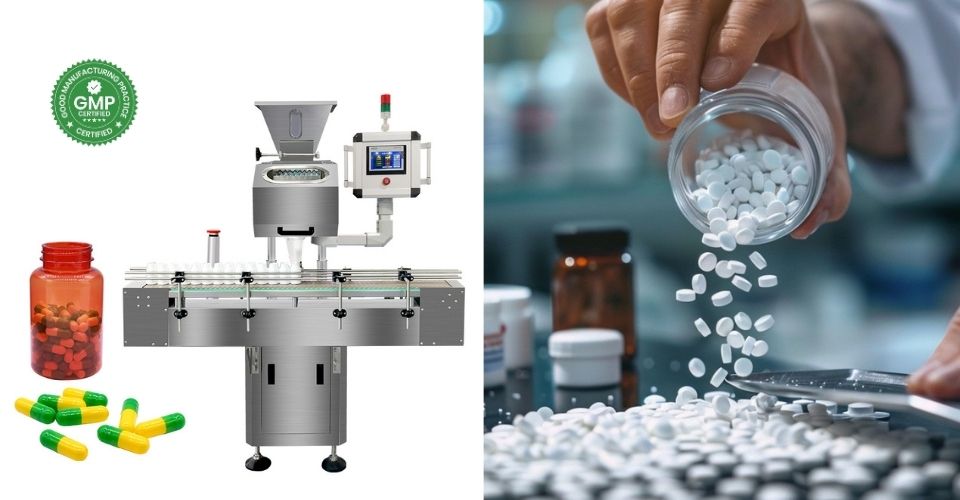
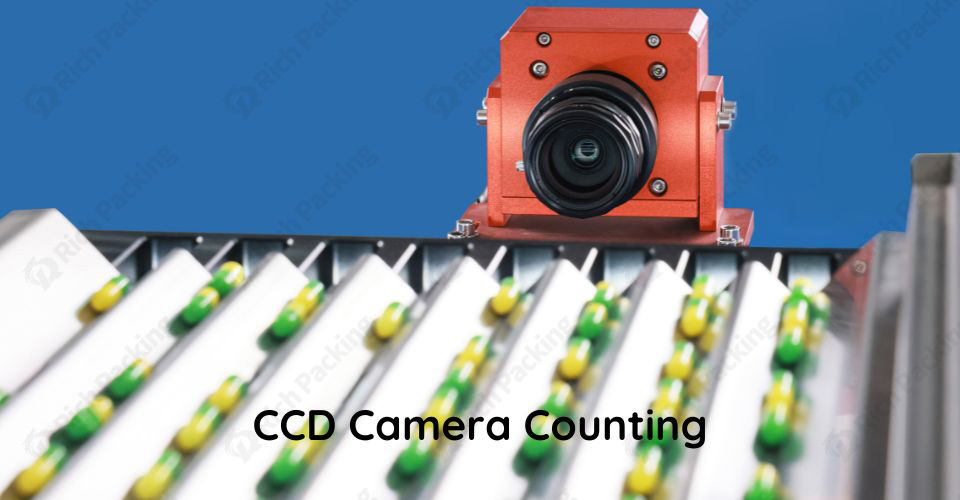
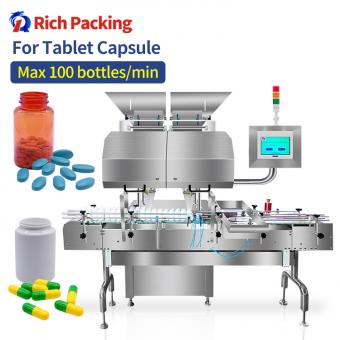
    Automatic tablet counting machines and capsule counter machines are revolutionizing how tablets, capsules, and even gummies are packaged, from small pharmacies to large supplement factories. This article explores how modern tablet capsule counting machines, especially automatic tablet counting machines and pill counter machines are rising and changing the pharmaceutical industry packaging landscape.        1. What Is a Tablet Capsule Counting Machine?   A tablet capsule counting machine, also known as a tablet counting machine, pill counter machine, or capsule counting machine, is an automated equipment designed to count and fill solid dosage forms like tablets, capsules, softgels, and even gummies into bottles or containers with high speed and precision.   These automatic tablet counting machines are widely used in pharmaceutical, nutraceutical, and supplement manufacturing industries. They ensure that every bottle contains the exact number of units, dramatically reducing manual labor, human error, and product waste. These machines are available in various models, ranging from desktop tablet counter to fully automatic counting machines.   Common Types of Tablet Capsule Counter Include: • Desktop Tablet Capsule Counters • Automatic Tablet/ Capsule Counting Machines • Gummy Counting Machines • CCD High Speed Camera Counting Machine     2. How Automatic Counting Machines Work? An automatic counting machine, whether it's a tablet counting machine, capsule counting machine, or pill counter machine, rely on advanced sensor technology and vibration panels to ensure every tablet or capsule is accurately counted and dispensed into bottles or containers. These tablet counting and filling machines are engineered for precision, speed, and compliance with pharmaceutical standards.   Key Components and Mechanism 1) Vibration Feeding SystemThe process begins with a vibration feeding system that distributes products evenly onto a counting panels. High-speed capsule counter machines and tablet counter machines use multi-channel vibration panels for large volumes. 2) High Accuracy Counting TechnologyMost electronic tablet counter machines use photoelectric sensors to detect each passing unit. This ensures that every pill, tablet, or capsule is accurately counted, critical for pharmacy tablet counting machines and high-output pharmaceutical operations. 3) Waste Reject MechanismAdvanced models, such as advanced CCD camera automatic tablet capsule counting machines, equipped with reject systems that detect broken or irregular products and remove them automatically, ensuring packaging accuracy. 4) Filling and Bottling SystemOnce the target counting reached, the machine automatically filling the product into bottles. Tablet counting...
    View More
  • Jan 03, 2025 5 Key Features to Consider When Selecting Capsule Tablet Counting Machine
    When it comes to streamlining your operations and ensuring the accuracy of tablet and capsule counting, investing in the right capsule tablet counting machine is essential. Whether you're running a pharmaceutical company, supplement factory or any other business requiring efficient pill counting, an automated capsule tablet counter can significantly enhance productivity, reduce errors, and lower operational costs. However, with that many options in the market, how shall you choose the right tablet counting machine for your requirements? In this article, we’ll explore the 5 key features to consider when selecting a capsule tablet counting machine, with machine and manufacturer examples for a better understanding, ensuring that your investment meets your expectations and maximizes the efficiency of your operations.     5 Key Features to Choose for a Capsule Tablet Counting Machine 1) Accuracy and Precision Accuracy is the number one priority when selecting a capsule tablet counting machine. In industries like pharmaceuticals, any counting errors could create severe consequences, for instance, incorrect dosages and regulatory issues. A high-quality tablet counting machine should be able to deliver precise counts with minimal variance.     If your business or project requires high-speed production, especially in the pharmaceuticals and health-care products industry, choosing a capsule tablet counting machine that uses advanced photoelectric sensors or CCD camera detection technologies will be the most recommended solution as these tablet capsule counting machines are usually feature for high accuracy with waste rejection system. For example, the CCD Camera Counting Machine from Richpacking is specially designed for high counting accuracy that can reach 99.99%. With this machine on hand, you will never have to worry about the precision as the counting process integrated with the high resolution vision inspection camera that can detect any different colors, sizes and shapes and automatically reject them for an outstanding counting result.     2) Speed and Efficiency Speed is crucial in environments where large quantities of tablets or capsules need to be counted and dispensed quickly specially in the pharmaceutical and health care product industry. A slow, inefficient counting process can lead to delays, affecting customer satisfaction and your overall workflow. Look for a capsule tablet counting machine that can handle high volumes of tablets and capsules without compromising accuracy. High speed counting machines with faster counting speeds can save your business valuable time, allowing you to fill more orders in less time. Additionally, an efficient automatic tablet counting machine allows you to have less need for labour and reduce bottlenecks in the workflow.  Taking the example of th...
    View More
  • Jan 02, 2025 Why Capsules Come in Many Colors: Their Significance in Pharmaceuticals and Supplements
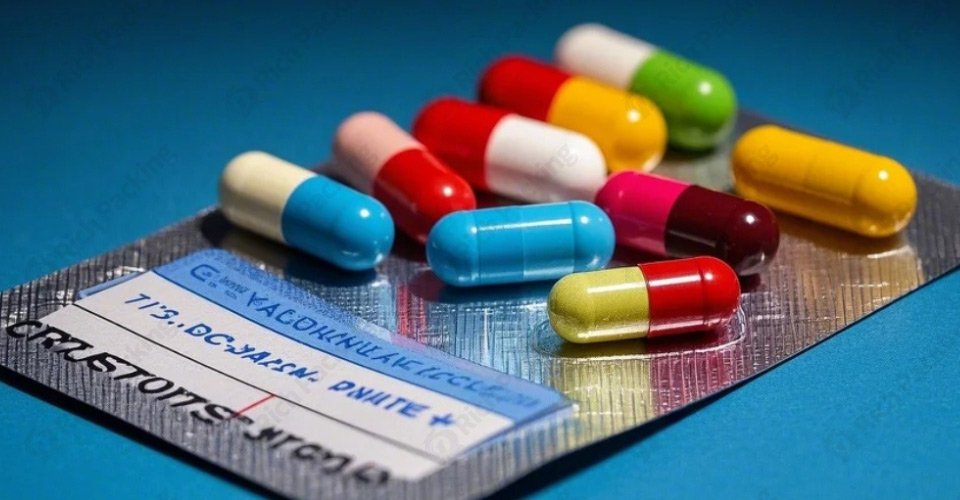
    Capsules, one of the most common forms of drug and supplement delivery, come in a wide range of colors. Whether you're browsing the supplement aisle or unpacking your prescription medications, you've likely noticed that capsules are often red, green, blue, white, or even a combination of colors. But these color choices aren't arbitrary. Each hue serves a distinct purpose, reflecting a careful balance of functionality, marketing, and regulatory considerations. In this article, we'll dive deeper into why capsule colors vary so much and what these differences mean for manufacturers, healthcare providers, and consumers.     1. Differentiation Between Products One of the primary reasons capsules come in different colors is to help differentiate between products. In a marketplace saturated with supplements and medicines, color is a quick and effective way to distinguish one product from another. This differentiation is important for several reasons: · Brand Recognition:Manufacturers often use specific color combinations to create a distinct identity for their products. For instance, a popular brand of vitamins might use orange and green capsules, creating an association that helps consumers identify their product at a glance. This branding strategy is especially important in over-the-counter markets, where visual appeal can make a product stand out among competitors. · Prevention of Confusion:In households where multiple family members take different supplements or medications, capsule colors help avoid mix-ups. For example, a child’s multivitamin may come in bright, cheerful colors, while a parent's heart medication might be more subdued.     2. Dosage and Strength Identification Color plays a crucial role in indicating the dosage or strength of a drug. Pharmaceutical companies often use different colors to represent varying dosages of the same medication, making it easier for healthcare professionals and patients to identify the correct one. For example: · A 250 mg capsule might be white, while the 500 mg version is blue. · Extended-release capsules may feature a specific color pattern, such as a dual-colored capsule.     This color coding minimizes errors in medication administration, especially in hospitals and care settings where time-sensitive decisions are critical. 3. Enhanced Consumer Appeal The color of a capsule can influence consumer perception, particularly in the dietary supplement industry, where aesthetics play a role in purchasing decisions. Vibrant, attractive colors make products more appealing and can even influence how people perceive the effectiveness of a supplement. · Association with Health:Colors like green, yellow and orange are commonly linked to health and energy. Green capsules, for instance, are commonly used for herbal supplements, aligning with consumer expectations of natural or plant-based products. · ...
    View More
1 ... 10 11 12 13 14 ... 25

A total of 25 pages

Leave A Message
Leave A Message
Please tell us your requirements such as product, model, speed, etc. We will contact you immediately and give you equipment information and quotation。

Service Online

WhatsApp

Email