< img height="1" width="1" style="display:none" src="https://www.facebook.com/tr?id=860012012932429&ev=PageView&noscript=1" />
capsule counting machine
  • May 11, 2024 Capsule Production Guide: Types, Sizes, and Capsule Filling Machines Techniques
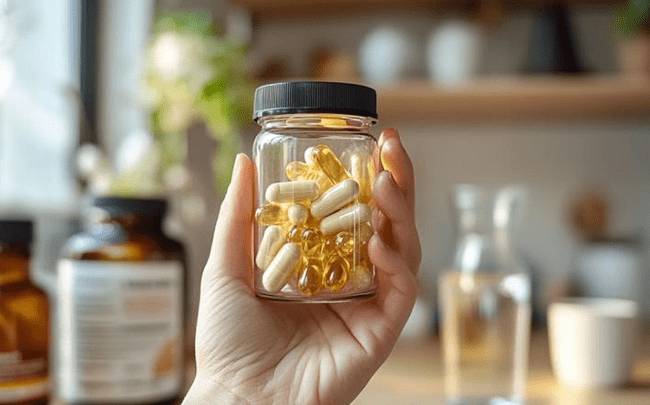
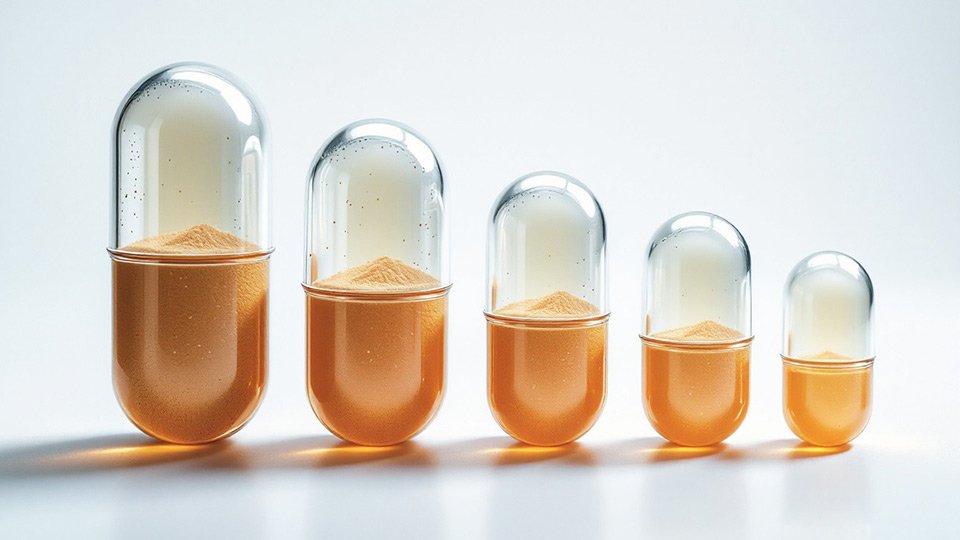
    Capsules are a common dosage form widely used in the fields of pharmaceuticals, health supplements, and nutritional supplements. In order to produce high-quality capsule products, capsule filling machines play a crucial role. This guide aims to explore the types, sizes, and filling techniques of capsule filling machines to help you understand how to choose the equipment that best suits your needs and optimize the capsule production process.     The main types of capsules are hard-shell capsules (also known as pre-formed capsules) and softgels. Hard-Shell Capsules: They are widely used in the pharmaceutical and health supplement industry due to their ease of manufacturing, low cost, stability, and compatibility with a variety of drug formulations. The investment cost for capsule filling production equipment is relatively low, allowing for rapid and large-scale production. 1.Structure: Composed of two cylindrical shells, a cap and a body, which can be locked together by an internal locking mechanism. 2.Material: Generally divided into "gelatin capsules," "vegetarian capsules," and "enteric capsules." (1) Gelatin capsules: Mainly made from gelatin (GEL), which is a hydrolysis product of collagen. It is extracted from animal skin, bones, and connective tissues, which are rich in collagen, especially pigskin, cowhide, fish bones, and fish skin. Its hydrolyzed properties and ease of absorption by the human body make it widely used as a raw material for capsule production. (2) Vegetarian capsules: Made from plant-based cellulose or other materials suitable for vegetarians (such as hydroxypropyl methylcellulose (HPMC)), vegetarian capsules are suitable for vegetarians, those allergic to gelatin, and certain religious groups. (3) Enteric capsules: Designed to be insoluble in stomach acid, they release the drug once they reach the intestines and are made from materials that can withstand stomach acid, such as methacrylic acid copolymers. 3.Contents: The fill can typically consist of solid powders/granules, micro-pills, and liquids.     Softgels: Commonly used for drugs that are poorly soluble or unstable in solid form, they offer better bioavailability and convenience than traditional tablets or hard capsules. Softgels encapsulate the drug and shell together in a forming machine.   1.Structure: Softgels consist of a sealed, one-piece shell surrounding the contents. 2.Material: Softgels are also made from gelatin, but the formula includes plasticizers (such as glycerin or sorbitol) to make the capsule shell softer and more elastic. 3.Contents: Typically used to package fats, liquids, pastes, suspensions, etc.     Hard-shell capsules come in a variety of standard sizes, commonly including: 000, 00, 0, 1, 2, 3, 4, and 5. The size of the capsule is denoted by a number, with smaller numbers indicating larger capsules. The following table shows the approximate dimensions and capaciti...
    View More

  • May 11, 2024 Types of Capsule Filler
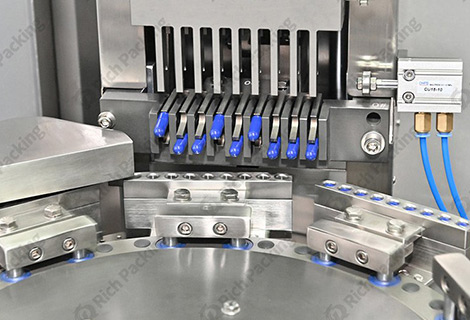
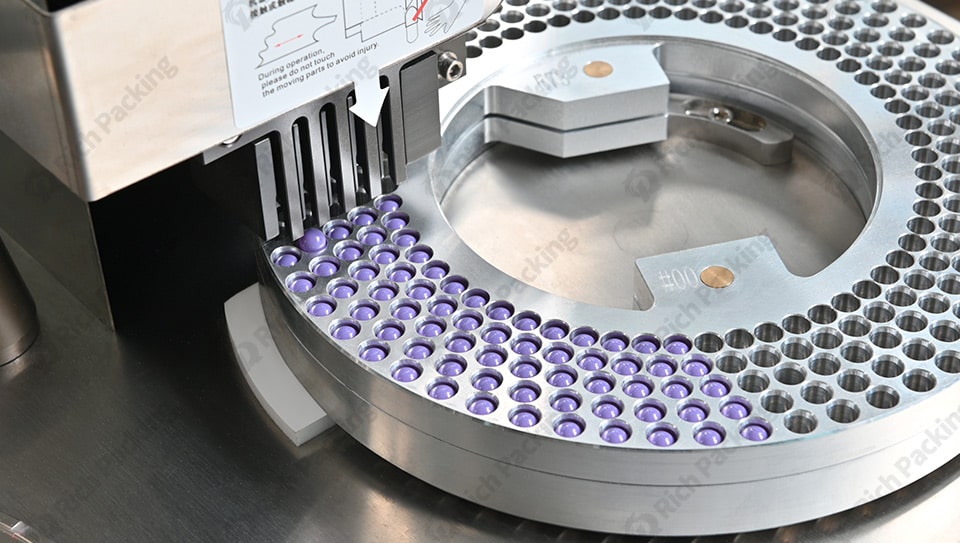
    Capsule filling machine, it also known as capsule filler machine or capsule filler, is an indispensable part in the pharmaceutical field. It is a mechanical equipment specially used to fill solid granule, powder or liquid ingredients into hollow capsule shells. It is usually used in the pharmaceutical industry and now is widely used in the manufacture of dietary supplements and other health products based on the popularity of health perspectives. This article will explore these models and their features in depth, hoping to bring you useful reference value based on your budget, production scale or site conditions.     Since the invention of the , with the continuous innovation of industry technology, there are now a variety of capsule machine models, which have been updated to adapt to different production needs. Following are the different types of capsule machines (1) Manual capsule machine (2) Semi-automatic capsule making machine (3) Fully automatic capsule filler Among them, fully automatic models are also divided into (1) Powder granule filling capsule machine (2) Hard capsule liquid filling machine   1. The most basic model: manual capsule machine This is the most basic compact machinery capsule filling, suitable for small production or home workshops or laboratories. Due to their simplicity and low cost, manual filling machines are commonly used by people in developing countries in the early stages of starting a business or in the early stages of drug development. It is determined by poor filling accuracy and extremely low production efficiency.     2. More advanced models: semi-automatic capsule filler machine The semi-automatic capsule filling machine is a more advanced equipment than the manual filling machine. It not only improves the production rate, but also reduces the waste of drugs caused by manual labor.     (1) Production efficiency: It can automatically complete the steps of capsule separation, filling and sealing, so the production efficiency is much higher than that of a manual filling machine.   (2) Easy operation: The operation and maintenance of the semi-automatic making capsule machine are simpler than that of the fully automatic model, and even non-skilled operators can use it easily.     (3) Versatility: Compared with manual capsule machines, the dosage of filling powder and granules can be accurately controlled by configuring different automatic feeders and stirring heads;     In addition, we have changed the situation that the semi-automatic capsules making machine could not fill liquid before by developing capsule liquid filling machine semi automatic with a special liquid feeding pump.   (4) Flexibility: The production capacity ranges from a few thousand capsules to 40,000 capsules per hour, so it can meet the needs of both small batch production and medium-scale production.   (5) Moderate cost: Compared with fully automatic encapsulatin...
    View More
  • Feb 13, 2024 How to Make Capsules by Your Hands
    Vitamin and health supplements are important to your daily nutrition. By getting a bottle of capsules from a store, it’s easy to obtain dietary supplements and vitamin. Besides this way, do you know you can make capsules by yourself? The capsule filling at home is not that hard.       Making capsules by yourself helps you gain the fresh capsule ingredients, tailor formulas that you need to meet your health targets, as well as to save more money. However, how to make capsules by yourself? Here is a fast method to manually load capsules with powder.   What do you need before you make capsules?   Before making capsules, you need to prepare some essential materials and tools in order to successfully load capsules with powder.   Empty Capsules You need some suitable empty capsule shells in your desired sizes. Among various capsule sizes, size 00 and 0 are the most commonly purchased, because they have sufficient space for filling. Ingredients contained in capsules 00 and 0 are about 750mg and 650mg.  The picture below is a capsule sizes chart:     Blank capsules of these sizes can be bought online or in pharmacies. Moreover, some capsule shells are made from vegetation, while others are made from gelatin.   Capsule Ingredients Select suitable health supplement ingredients that you plan to fill capsules with, such as vitamin, mineral, powder, oil, granules and other forms, according to different nutritional formulas. Make sure ingredients are pure and clean.   You can find ingredients online or in drugstores. After purchase, entirely blend them and place them evenly. If needed, use a pestle to grind ingredients into delicate powder.   If you have fresh herbs and not want to buy ingredients, dry your herbs. After drying, use an food processor to make herbal powder.       · A Scale A scale of high sensitivity is needed, for capsules of various sizes have different fill weights. A scale helps you manage the capsule fill weight at a milligram-precise level.       · Auxiliary Tools These tools include a spoon and a funnel, assisting you to easily access the fast method to load capsules with powder microdosing, avoiding material spilling and waste. If a funnel can’t be found, a piece of paper could be used to form one.       · Storage Containers You need a storage jar, a glass container or a plastic sealable bag to store your filled capsules, in case that capsules get contaminated or dampened.       How do you fill capsules by hand? Here are some easy tips to let your homemade capsules come out. 1. Scooping Method It’s the most convenient way to make capsules by your hands. This way doesn’t even require any tool or complicated sk...
    View More
  • Jun 29, 2022 Rich Packing Continues To Improve Product Quality
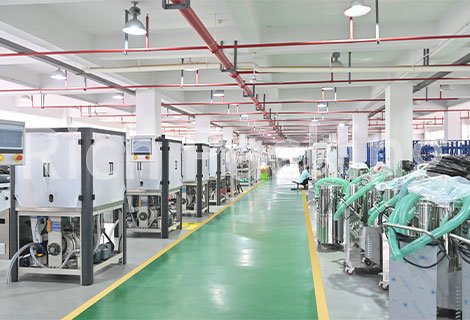
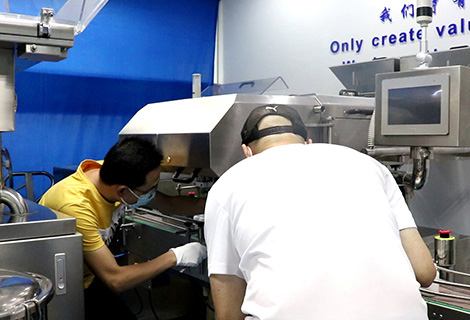
    In addition to focusing on innovation, product quality is also an aspect that Guangdong RICH PACKING attaches great importance to. In order to continuously improve product quality, we have been continuously investing in technology, service, and management. Technically, all of our pharmaceutical and packaging machinery, not only the mechanical structure of capsule filling machine, man-machine interface of tablet counting machine, and control software of blister packing machine, are developed by the company’s R&D team in a one-stop manner, combined with the coordinated work of the design department, to achieve reliable overall performance and quality. The company also introduced a number of high-precision CNC machining centers from SNK New Nihon Koki for processing core control modules. At the same time, the company has a variety of high-end safety performance, environmental performance and other reliability test equipment to ensure the electrical components of the product The quality is safe and reliable for long-term operation; it is also equipped with various mechanical testing instruments and equipment to ensure the precision and life of mechanical processing. In terms of service, RICH PACKING can quickly consider all aspects of mechanical structure, control hardware, algorithm counting and other aspects within the company and provide timely feedback for any installation and operation problems or reasonable requirements raised by our customers in the use of machinery and equipment solution.
    View More
  • Apr 03, 2025 Avoiding Common Pitfalls: Capsule Dosage Errors and Equipment-Related Safety Risks
    Introduction Pharmaceutical capsule production demands precision and consistency. Even minor errors in dosage can lead to serious consequences for patients. Understanding and addressing common pitfalls in capsule manufacturing is essential for pharmaceutical companies committed to product quality and patient safety. As you navigate the complexities of capsule production, recognizing potential errors and implementing effective solutions becomes paramount for regulatory compliance and consumer trust.     Understanding Capsule Dosage Errors The Critical Nature of Precise Dosing When it comes to pharmaceutical capsules, dosage accuracy directly impacts therapeutic outcomes. Variations as small as a few milligrams can mean the difference between effective treatment and potential harm. Regulatory bodies worldwide, including the FDA and EMA, enforce strict standards for dose uniformity, typically requiring variations to remain within ±10% of the labeled amount. These requirements exist because dosage errors can lead to treatment failure, adverse reactions, or even life-threatening situations depending on the active pharmaceutical ingredient (API). Common Causes of Dosage Inconsistencies Several factors contribute to dosage variations in capsule production. Understanding these root causes helps in developing effective prevention strategies. The most prevalent causes include: Powder Flow Properties: Materials with poor flow characteristics often lead to inconsistent filling. Cohesive powders may form bridges or rat-holes in hoppers, resulting in irregular feed rates and variable fill weights. Environmental Conditions: Humidity and temperature fluctuations affect powder density and flow behavior. Even slight changes in environmental conditions can impact fill weight consistency throughout a production batch. Equipment Calibration Issues: Improperly calibrated or maintained equipment fails to deliver consistent dosing. Without regular verification and adjustment, dosing mechanisms gradually drift from their set parameters. Operator Error: Manual intervention, especially in semi-automated processes, introduces human variability. Inconsistent tamping pressure or improper machine adjustments by operators contribute significantly to dosage variations. Real-World Consequences of Dosage Errors The implications of dosage errors extend beyond quality concerns to serious business and ethical considerations. Recent industry data shows that dosage-related recalls increased by 23% between 2019 and 2023, with capsule products accounting for approximately 18% of these recalls. Each recall costs pharmaceutical companies an average of $500,000 to $5 million in direct expenses, not including damage to brand reputation and lost market share. More importantly, these errors put patient well-being at risk, potentially resulting in treatment failures or adverse reactions.   Equipment-Related Safety Risks in Capsule Production Mechanical Hazards Capsule fill...
    View More
  • Mar 31, 2025 Capsule Size Chart: A Guide to Capsule Sizes and Capsule Machines
    In the pharmaceutical and nutraceutical manufacturing industry, understanding capsule sizes and their compatibility with capsule filling machines is fundamental to production efficiency, dosage accuracy, and regulatory compliance.   The selection of appropriate capsule sizes directly impacts multiple aspects of drug manufacturing: ·Therapeutic efficacy through precise dosage delivery ·Production efficiency and capsule machine compatibility ·Patient compliance and market acceptance ·Regulatory adherence and cost control     This guide will offer a detailed capsule size chart to illustrate sizes of capsules, and examine the relationship between capsule dimensions (from 000 capsule size to 5 capsule size) and capsule filler filling machines, along with an in-depth analysis of modern capsule filling technologies, providing pharmaceutical manufacturers with essential knowledge to optimize their production processes.   Analysis of a Capsule Size Chart Capsule sizes follow an internationally recognized numbering system where capsule size 000 represents the largest volume and size 5 indicates the smallest. This capsule size variation directly correlates with drug loading capacity.   The consequences of improper size selection can be clinically significant, including: ·Underfilled capsules may result in sub-therapeutic dosing. ·Overfilled capsules will lead to inconsistent drug release profiles. ·Improperly sized capsules may affect dissolution rates and bioavailability.   We hereby provide the capsule size chart:     Sizes of Capsule Clearly shown by the capsule size chart, ranging from 000 (the largest capsule size) to 5 (the smallest capsule size), various sizes have different capacities and capsule dimensions. Size 000 capsules (1.37mL volume) can accommodate approximately 1,600mg of standard density powder, making them ideal for high-dose formulations like certain antibiotics or fiber supplements.   Volume Capacity Measured in milliliters (ml), it refers to a capsule’s internal space or holding capacity, which determines the maximum amount of powder, granules, liquid or semi-solid formulation that a capsule can contain.   Empty Capsule Weight It indicates the weight of a capsule shell, inclusive of both the body and cap, without any active pharmaceutical ingredient (API), excipients or other fill materials. It is the baseline weight of the capsule before filling, used for quality control and formulation calculations. Every capsule maker needs to ensure consistent empty capsule weight to avoid inconsistencies of capsule filling.   Weight Capacity It refers to the maximum amount of drug powder, granule or liquid that can be filled into a single capsule shell. Typically this loading capacity is measured in mg. The capacity depends on the size of the capsule (larger capsules hold more) and the formulation density (light powders take up more volum...
    View More
  • Mar 28, 2025 Thermoforming vs Cold Forming Blister Packaging: Which Saves More?
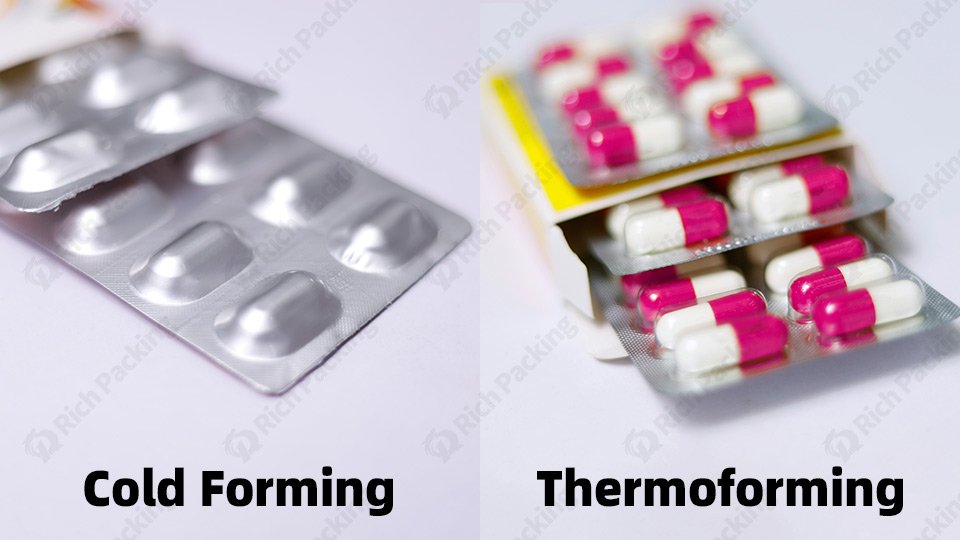
    Introduction You understand that blister packaging machine technology directly impacts product stability, production efficiency, and overall cost-effectiveness. This guide provides a comparative analysis of thermoforming and cold forming blister packaging techniques. By investigating their operational mechanisms, evaluating key benefits and limitations, and assessing cost-effectiveness factors, you'll gain strategic insights to determine the most suitable solution for your production requirements and commercial objectives.     The Backbone of Pharmaceutical Packaging: Understanding Blister Packing Machines Evolution of Blister Packing Technology Modern blister packing machines have revolutionized pharmaceutical packaging by offering: Unprecedented precision in cavity formation Advanced material handling capabilities Integrated quality control systems Rapid production scalability Key Machinery Components Feeding systems Forming stations Sealing mechanisms Cutting and trimming units Inspection and verification technologies Spotlight: DPP-180PRO Blister Packing Machine The DPP-180PRO represents a breakthrough in pharmaceutical packaging technology, addressing multiple industry challenges: Technical Specifications: Production Speed: Up to 180 packs per minute Flexibility: Supports both thermoforming and cold forming techniques Precision Forming: ±0.05mm cavity accuracy Material Compatibility: Wide range of pharmaceutical packaging materials Advanced Control System: Touch-screen interface with real-time monitoring Unique Advantages of DPP-180PRO Modular design allowing quick format changeovers Integrated quality control with machine vision systems Minimal material waste Energy-efficient servo-driven mechanisms Compliant with cGMP and FDA regulations     Manufacturing Technologies Revisited Thermoforming with Advanced Machinery When utilizing high-performance machines like the DPP-180PRO, thermoforming becomes more sophisticated: Precise temperature control (150-180°C) Minimal material stress Consistent cavity formation Reduced setup and calibration time Cold Forming: Precision at Room Temperature Cold forming machines, particularly advanced models, offer: Mechanical forming without thermal stress Multi-layer aluminum laminate processing Exceptional barrier protection Minimal material deformation   Comparative Analysis: Machinery Performance Production Efficiency Metrics Parameter Thermoforming Cold Forming Speed 150-200 packs/minute 80-120 packs/minute Precision ±0.1mm ±0.05mm Material Waste 3-5% 1-2% Setup Time 15-30 minutes 30-45 minutes   Understanding Blister Packaging Technologies Blister packaging is widely used in the pharmaceutical industry to protect medications from environmental factors, ensure dosage accuracy, and maintain product integrity. Two primary technologies dominate the market: thermoforming and cold forming. What is Thermoforming? Thermoforming involves heating a plastic shee...
    View More
  • Mar 25, 2025 Gelatin vs Vegetarian Capsules: Which One to Choose for Capsule Filling?
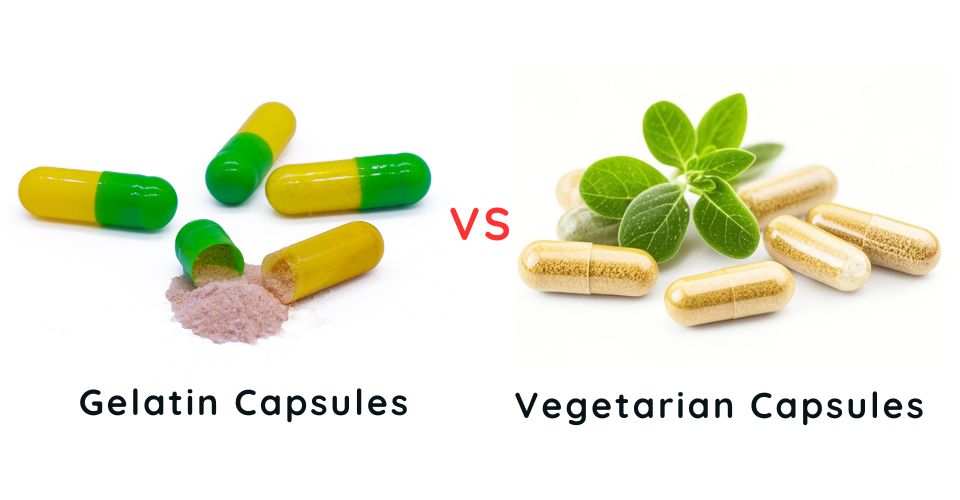
    1. Introduction Gelatin and vegetarian capsules are the most common materials for capsule filling in the pharmaceutical and supplement industries, each offering unique benefits. Choosing the right type of capsule is vital for ensuring smooth operation with your capsule filling machine. This guide explores their differences, production requirements, and compatibility with capsule filler machines, helping you make an informed decision.   2. Gelatin vs Vegetarian Capsules: Compatibility with Capsule Filling Machines Both gelatin and vegetarian capsules are widely used in capsule production, but their properties affect how they perform in capsule filling machines. So what is the difference between gelatin capsules and vegetarian capsules? Which one is more compatible with capsule filling equipment? Let’s see some more details of these two empty capsules. 1) What Are Gelatin Capsules? Gelatin capsules are made from gelatin, a protein derived from animal collagen, usually from cows or pigs, and processed into a gel-like consistency for capsule formation. They are commonly used in capsule filler machines for pharmaceuticals and supplements due to their smooth texture and excellent stability.   Types of Gelatin Capsules: • Hard Gelatin Capsules (HGC) Made of two parts (body and cap), these capsules are used for powders, granules, and pellets. Widely used in the applications of vitamins, minerals, herbal supplements, and controlled-release formulations.     • Soft Gelatin Capsules (SGC) One-piece hermetically sealed capsules made from a single piece of gelatin, softgels are sealed to hold liquids or oils, commonly used in fish oil, CBD oil, essential oils, and liquid medications, requiring specialized capsule encapsulation machines.     2) What Are Vegetarian Capsules? Vegetarian capsules, crafted from plant-derived substances such as cellulose or HPMC (hydroxypropyl methylcellulose), serve as a widely used alternative to traditional gelatin capsules. With the help of capsule filling equipment, they are commonly used in dietary supplements like vitamins, minerals, and herbal products. Also widely applied for probiotics and some plant-based medications.     3) Key Differences Between Gelatin and Vegetarian Capsules Here’s a brief comparison to understand these two empty capsules.   Feature Gelatin Capsules Vegetarian Capsules Material Animal-derived gelatin (bovine or porcine). Plant-based materials like HPMC or pullulan. Suitability Not suitable for vegans, vegetarians, or people avoiding animal products. Vegan and vegetarian-friendly. Dissolution 10–20 minutes 20–30 minutes Moisture Resistance Moderate moisture resistance. More susceptible to moisture, affecting stability. Shelf Life Longer, more stable. Shorter, subject to moisture. Storage Requirements Store in cool and dry place to maintain capsule integrity. More sensitive to moisture and humidity. Cost Generally cheaper. ...
    View More
  • Mar 14, 2025 Why Blister Packs Dominate Medical Packaging: 5 Key Advantages
    Have you ever wondered why nearly every prescription medication comes sealed in blister packs? This packaging dominates the pharmaceutical industry for critical reasons that directly impact medication safety, efficacy, and patient outcomes.     The Evolution of Pharmaceutical Packaging Pharmaceutical packaging has undergone significant transformation over the decades. Before the widespread adoption of blister packs, medications were commonly dispensed in glass bottles or paper envelopes, offering minimal protection against environmental factors and providing little assurance of product integrity. The 1960s and 1970s marked a turning point when pharmaceutical companies began prioritizing packaging solutions that could better protect their products while enhancing patient safety. The development of blister packaging technology emerged as a direct response to these growing concerns. By the 1980s, blister packs had gained significant traction in Europe, and by the 1990s, they had become the standard across much of the global pharmaceutical industry. This shift represented a fundamental change in how medications were protected, presented, and consumed.   Current Market Dominance Today, blister packaging represents approximately 85% of solid oral dosage pharmaceutical packaging in Europe and continues to grow in North America. According to recent industry reports, the global pharmaceutical blister packaging market was valued at $23.7 billion in 2023 and is projected to reach $34.2 billion by 2030, growing at a CAGR of 5.4%. This dominance is not arbitrary but rather the result of blister packaging's ability to address critical concerns within the pharmaceutical industry. As regulatory standards have become increasingly stringent and patient safety concerns have grown, blister packs have evolved to meet these challenges, cementing their position as the preferred packaging solution.   Advantage 1: Superior Medication Protection   Moisture and Oxygen Barrier Properties Blister packs excel in creating a protective environment for medications, particularly those sensitive to environmental factors. The sealed cavity formed by the combination of the blister and lidding material serves as a formidable barrier against moisture and oxygen—two primary culprits in pharmaceutical degradation. Modern blister materials offer exceptional barrier properties through multi-layer structures. Typical configurations include: PVC (Polyvinyl Chloride): Provides basic barrier properties PVC/PVDC (Polyvinylidene Chloride): Offers enhanced moisture and oxygen barrier COC (Cyclic Olefin Copolymer): Provides superior moisture protection Aluminum/Aluminum: Creates nearly impermeable barriers for highly sensitive medications     Light Protection Capabilities Many pharmaceutical compounds are photosensitive, meaning they degrade when exposed to light. Blister packs address this vulnerability through several mechanisms: Opaque blister materials...
    View More
1 ... 18 19 20 21 22 23 24 25

A total of 25 pages

Leave A Message
Leave A Message
Please tell us your requirements such as product, model, speed, etc. We will contact you immediately and give you equipment information and quotation。

Service Online

WhatsApp

Email