






 Home
Home Products
29+ years in pharmaceutical machinery, covering capsule filling, tablet pressing, blister packaging, tablet and capsule counting, cartoning, GMP production, and overseas machine service.

Multilayer tableting has revolutionized pharmaceutical manufacturing, offering a versatile solution for complex drug formulations and patient-centric designs. By enabling the compression of multiple distinct layers into a single tablet, this technology supports combination therapies, controlled release profiles, and innovative drug delivery systems. However, achieving consistent quality and functionality requires careful planning and precision at every step. In this guide, we’ll explore the key considerations for successful multilayer tableting, ensuring optimal production efficiency and product performance.
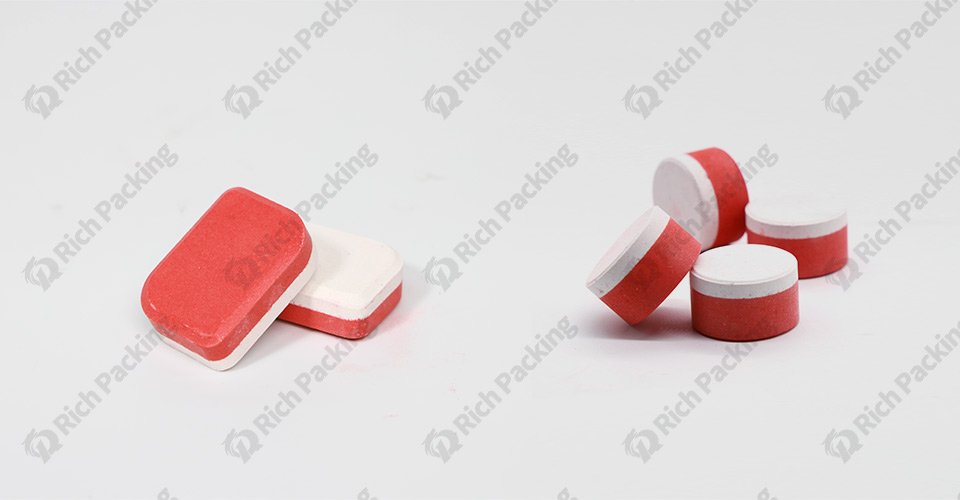
Multilayer tablets consist of two or more layers of different formulations, compressed into a single unit. Each layer can serve distinct purposes, such as:
· Separation of incompatible ingredients: Preventing chemical interaction between active pharmaceutical ingredients (APIs).
· Modified release profiles: Combining immediate-release and controlled-release layers in a single dose.
· Patient convenience: Consolidating multiple medications into a single tablet for ease of use.
Understanding the intended purpose of the multilayer tablet is essential for determining formulation, equipment, and process parameters.
The success of multilayer tableting begins with the design of robust formulations for each layer.
· Ensure the chemical and physical compatibility of APIs and excipients across layers to avoid interactions that may impact stability or efficacy.
· Evaluate moisture sensitivity, as some formulations may require protective layers.
· Optimize granule flowability to ensure uniform filling of each layer.
· Balance compressibility to prevent lamination or capping during compression.
· Adequate adhesion between layers is critical to maintaining tablet integrity. Adjust binder concentrations and compression forces to enhance interlayer bonding.
Choosing the right equipment is paramount for efficient multilayer tableting.
· Select a tablet press with specialized tooling for multilayer compression, capable of precise layer separation and synchronization.
· Look for presses with adjustable compression zones to optimize force for each layer.
· Utilize systems with advanced sensors for in-process quality control, including weight and hardness monitoring for each layer.
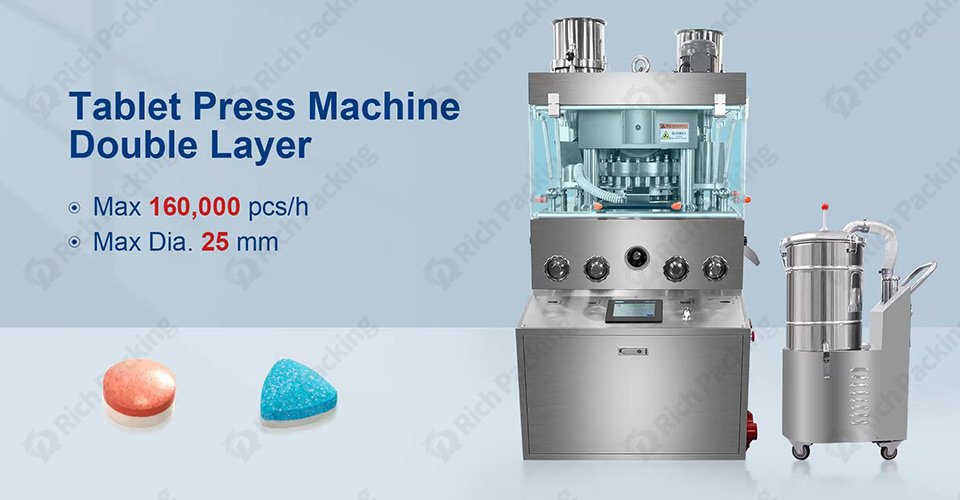
Optimizing the multilayer tableting process ensures consistent production and quality.
· Ensure uniform and precise filling of each layer to achieve consistent layer thickness and weight.
· Adjust feeder speed and configuration for smooth material transfer.
· Balance pre-compression and main compression forces to maintain tablet integrity while avoiding defects such as capping or delamination.
· Use lower compression forces for intermediate layers to minimize stress on underlying layers.
· Synchronize the timing of layer deposition to prevent material mixing or misalignment.
· Regularly calibrate equipment to maintain precise synchronization.
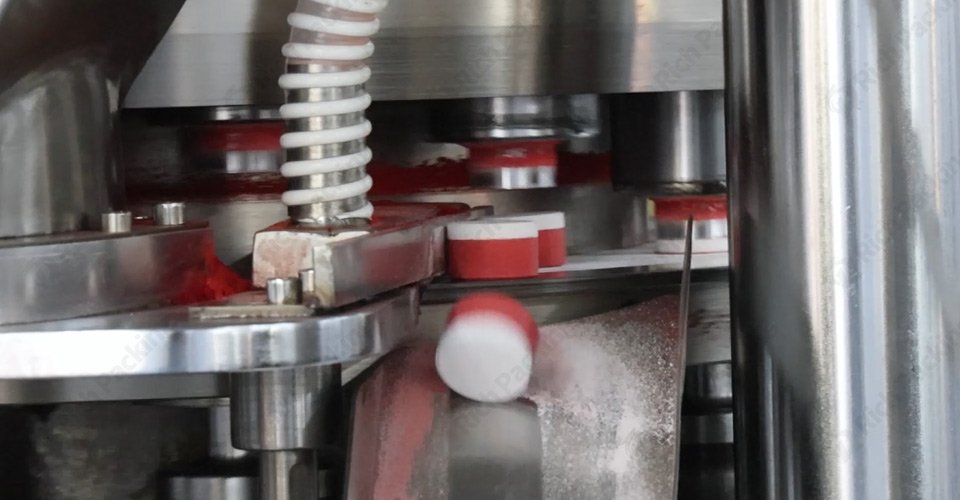
Even with careful planning, multilayer tableting can present challenges. Here’s how to address them:
|
Challenge |
Cause |
Solution |
|
Layer separation |
Insufficient adhesion between layers |
Increase binder concentration or adjust compression force. |
|
Weight variability |
Uneven material flow or feeder issues |
Optimize feeder speed and granule flowability. |
|
Layer contamination |
Material carryover between layers |
Clean equipment regularly and adjust layer deposition timing. |
|
Tablet defects (capping, lamination) |
Excessive compression force or poor granule compressibility |
Balance compression forces and improve granule quality. |
Robust quality control ensures that each tablet meets specifications for safety and efficacy.
· Monitor layer weight, hardness, and thickness in real time to detect deviations early.
· Use non-destructive testing methods, such as NIR spectroscopy, for fast analysis.
· Conduct dissolution and stability tests to verify release profiles and long-term performance.
· Perform mechanical tests, including friability and tensile strength, to ensure tablet durability.
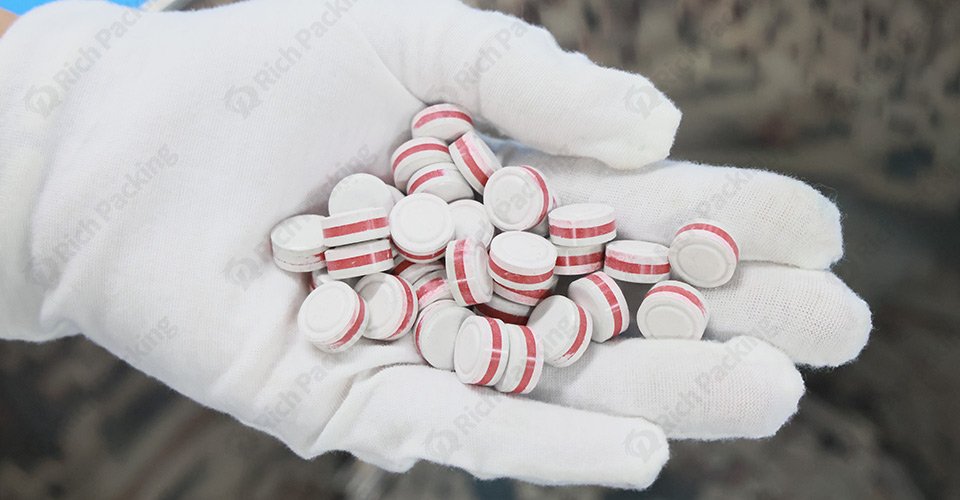
Multilayer tablets must comply with stringent regulatory standards to ensure patient safety and product consistency.
· Maintain comprehensive records of formulation development, process parameters, and quality testing.
· Provide detailed specifications for each layer, including APIs and excipients.
· Validate all aspects of the multilayer tableting process, including equipment, methods, and cleaning protocols.
· Conduct stability studies under varying environmental conditions to confirm the shelf life of the final product.
Recent advancements in multilayer tableting technology have expanded its potential applications:
Multilayer tableting is a versatile solution for addressing complex pharmaceutical challenges. By focusing on formulation design, equipment selection, process optimization, and quality control, you can achieve consistent results that meet regulatory standards and patient needs. Whether you’re developing combination therapies or innovative drug delivery systems, understanding the intricacies of multilayer tableting is key to successful implementation and production excellence.

29+ years in pharmaceutical machinery, covering capsule filling, tablet pressing, blister packaging, tablet and capsule counting, cartoning, GMP production, and overseas machine service.

Email : manager@richpacking.cn
Building D, No. 226, Beishan Qiaotou Street, Haizhu District, Guangzhou City, Guangdong Province, China


 IPv6 network supported