Aug 13, 2021
Rich Packing exhibited at CPHI
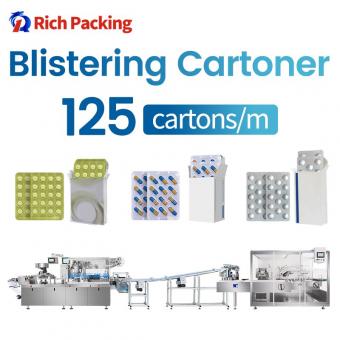
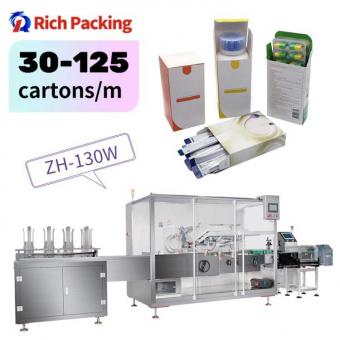
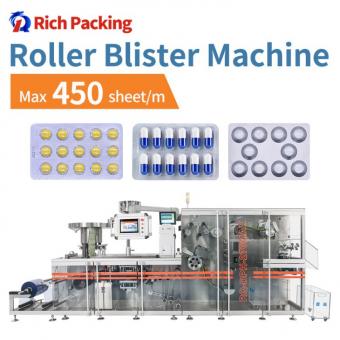
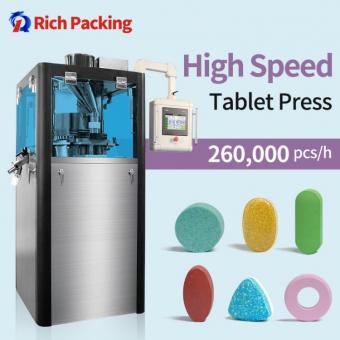
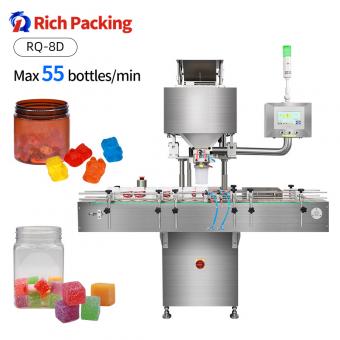
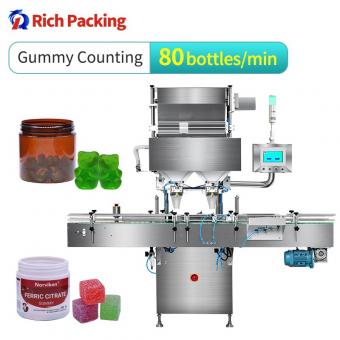
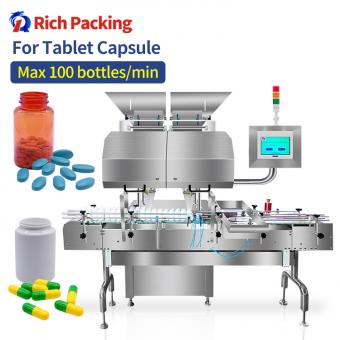
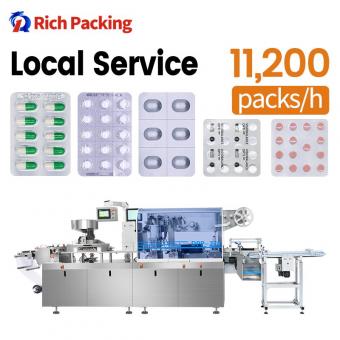
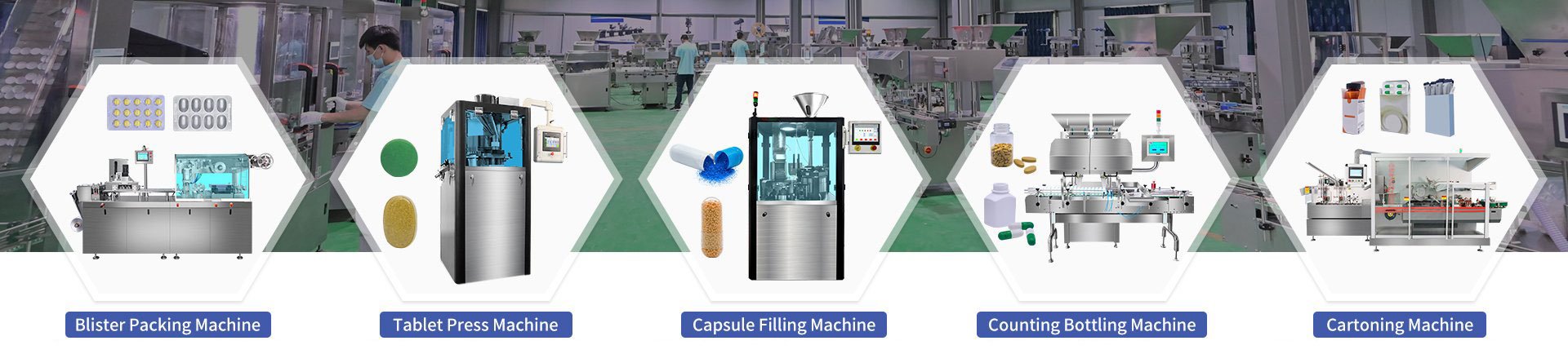
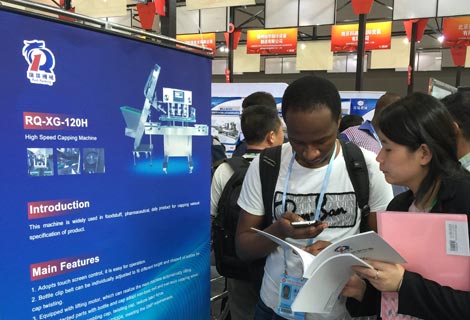
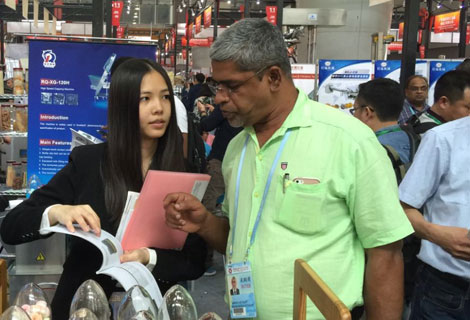
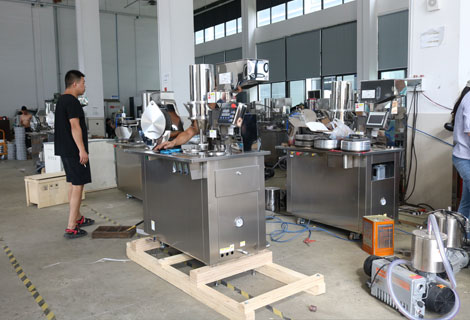
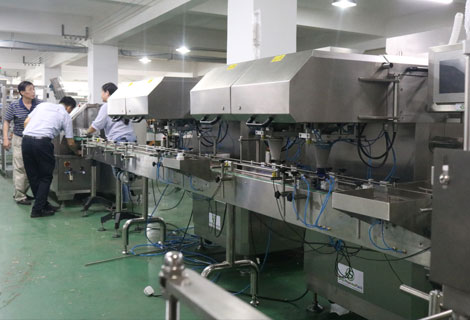
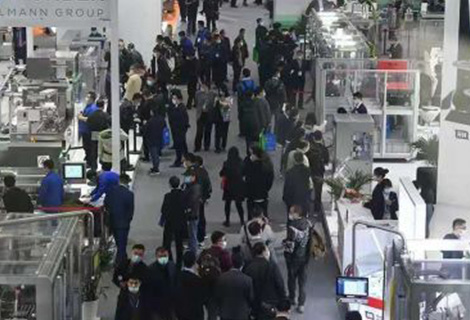
China Shanghai World Pharmaceutical Raw Materials Exhibition (CPhI China) builds an international pharmaceutical industry chain platform, leading a new wave of industry transformation and upgrading. At the P-MEC & CPhI China held at the same time, the scale of the exhibition, the number of exhibitors and the number of visitors set a new record. The total area of CPhI China last exhibition was 200,000 square meters, with 3,200 exhibiting companies from the United States, South Korea, Dubai, Japan, India, Thailand, Russia, etc., and the number of exhibitors reached 70,000. It is particularly worth mentioning that the number of overseas visitors of the exhibition has shown an explosive growth, and it has written a strong mark on the road of the exhibition's continuous deepening of its international characteristics. In addition, the colorful conferences and activities on site have also enabled the exhibition to continue to make breakthroughs in professionalism and innovation. More and more professionals from all over the world who focus on R&D and procurement have regarded CPhI China as an understanding. An important platform for the latest technology, exchanges and cooperation, and common development. Our company has not missed any CPHI, and brought aluminum-plastic blister machine, electronic counting machine, capsule filling machine, rotary tablet machine, aluminum-plastic blister cartoning machine to the customers on site. China Shanghai World Pharmaceutical Raw Materials Exhibition CPhI China will once again gather near drug delivery systems, flexible packaging, capsules, printing labels, medical hoses, plastic bottles, composite materials, spray pumps, aluminum foil, bottle cap rubber stoppers, gaskets and medicinal products Suppliers of high-quality medicinal packaging and drug delivery systems, including glass bottles, have helped Chinese packaging companies open their way to internationalization.
View More




 IPv6 network supported






 Home
Home Products